

INDUSTRIES
Mining oxygen solutions operate where failure has consequences: production loss, safety exposure, and downstream process instability. Unlike controlled industrial facilities, mining sites frequently
Engineering Context by Sector
Foxolution engineers oxygen and nitrogen infrastructure into environments where gas stability directly affects safety, recovery, throughput, or compliance.
Each sector operates under different constraints. Each carries different consequences when systems underperform.
We do not apply standardised equipment across industries.
We align infrastructure to operating reality.
Medical & Healthcare
Clinical Infrastructure Under Governance Scrutiny
In healthcare environments, oxygen is not a consumable — it is a life-support dependency.
Hospitals operate within regulatory oversight, funding constraints, infrastructure aging, and unpredictable demand shifts. Ward expansions, emergency surges, and equipment retrofits frequently occur without proportional gas infrastructure review.
In many African contexts, additional pressures include grid instability, limited technical resources, and dependency on external bulk supply chains.
Gas as a Clinical Risk Variable
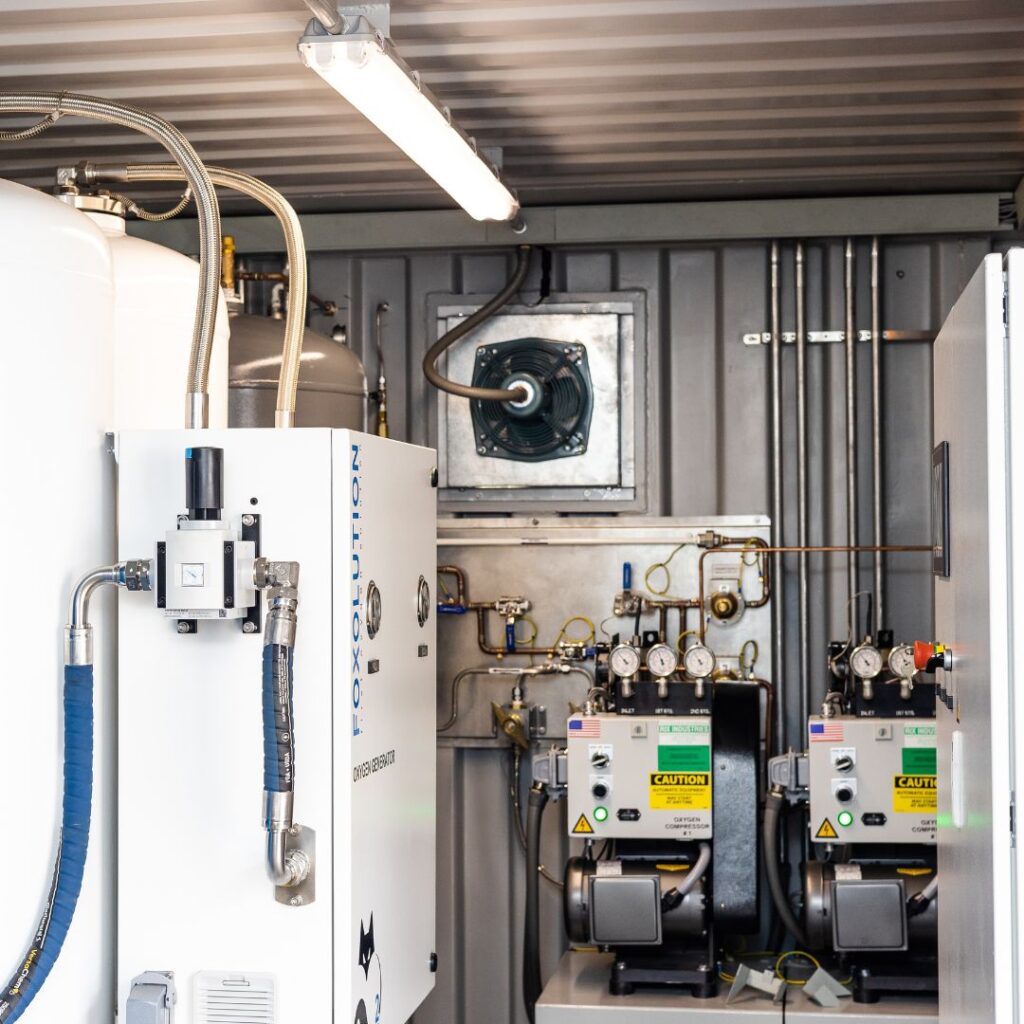
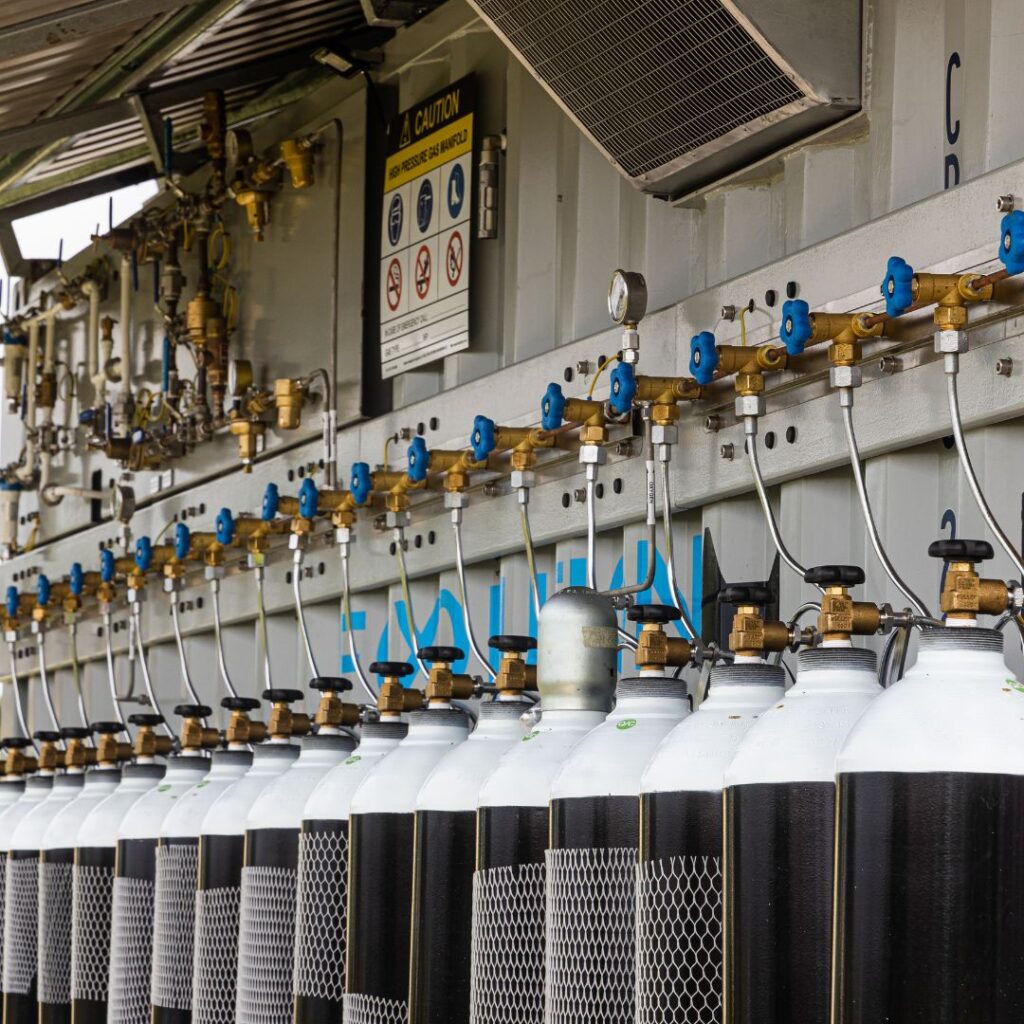
Medical oxygen systems must provide:
· Continuous purity and pressure stability
· Redundant supply pathways
· Alarm visibility and escalation logic
· Infrastructure proportionality
· Controlled expansion capability
System instability in this environment is not a production inconvenience — it is a patient risk.
Typical Exposure Points
Across the region, we encounter:
· Under-sized generation relative to hospital growth
· Reticulation upgrades layered onto legacy pipework
· Alarm systems not integrated into governance processes
· Improper materials applied in oxygen service
· Maintenance intervals not aligned to operating hours
These are infrastructure governance issues — not merely equipment issues.
Engineering Engagement
Our role in healthcare environments is to align:
· Clinical demand modelling
· Infrastructure resilience
· Compliance frameworks
· Lifecycle accountability
Technical solution pathways are detailed within our Medical Oxygen Systems section.
Gold Mining & Minerals Processing
Oxygen as a Recovery Lever
Within gold mining, oxygen is a process intensifier.
In Carbon-in-Leach (CIL) and Carbon-in-Pulp (CIP) environments, recovery stability is influenced by dissolved oxygen availability, injection consistency, and distribution control across tanks.
Oxygen integration directly affects:
· Leach kinetics
· Recovery efficiency
· Throughput stability
· Cyanide optimisation
· Production predictability
In remote operations, supply chain fragility adds another operational layer of risk.


Operating Realities
Gold mining environments introduce:
· Continuous high-duty operation
· Remote logistics exposure
· Harsh climatic conditions
· Skilled labour constraints
· Capital approval scrutiny
· Incremental plant expansion
Gas infrastructure must operate reliably within these realities.
Where Performance Erodes
Common exposure patterns include:
· Uneven oxygen distribution across CIL tanks
· Poorly balanced injection systems
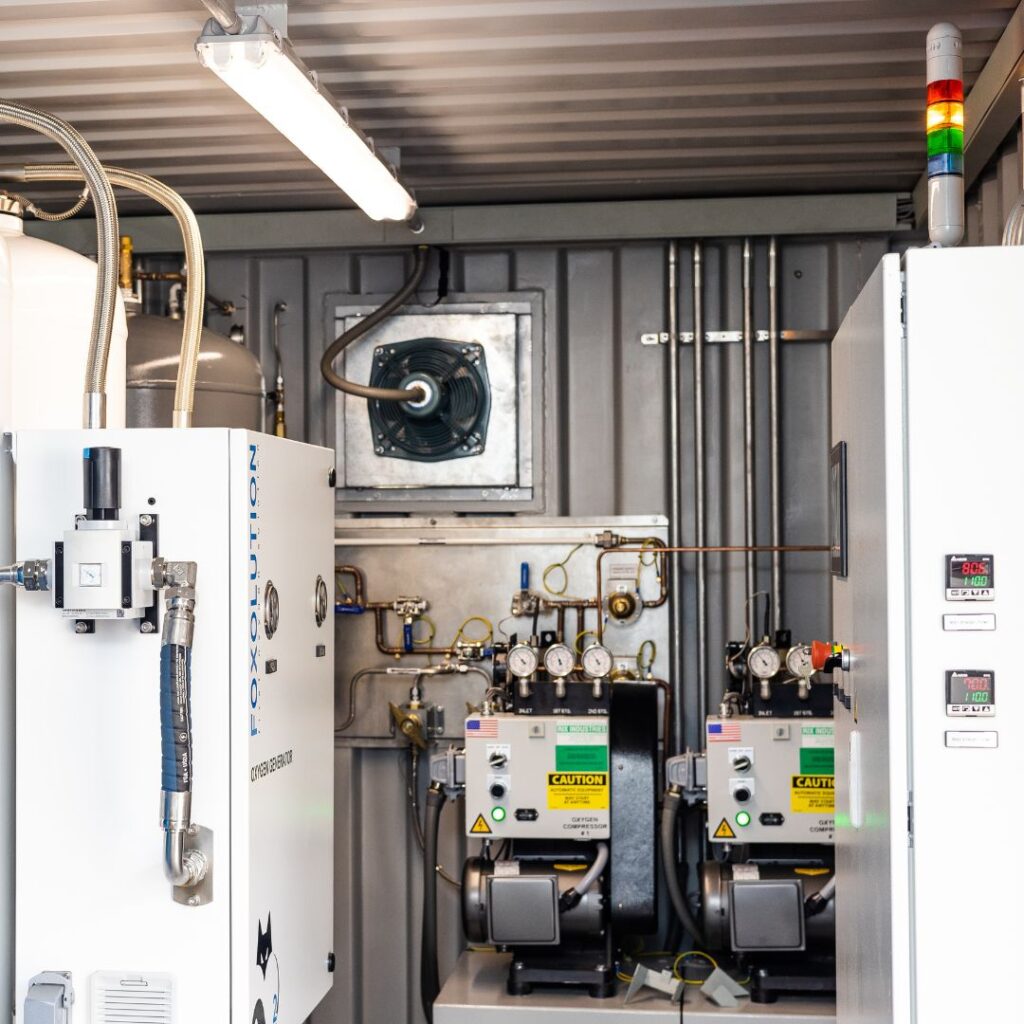
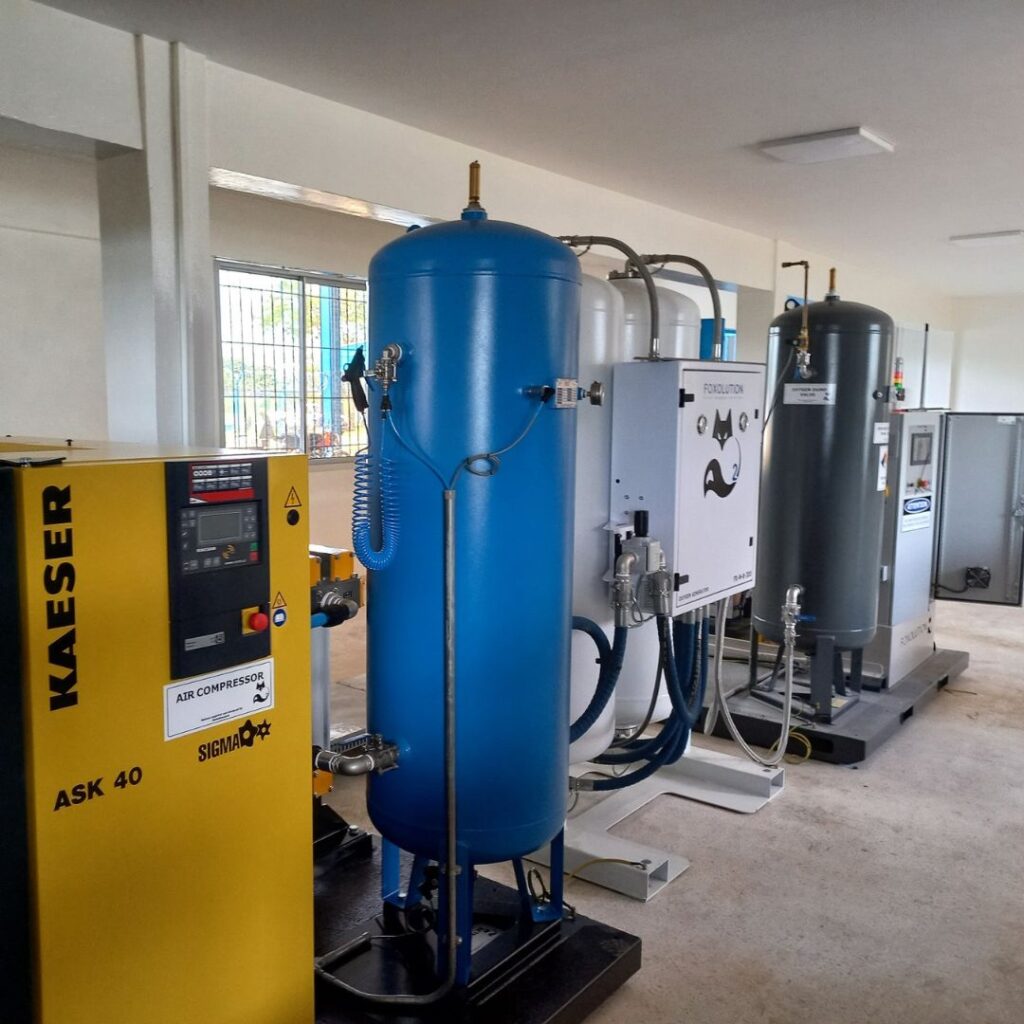
· Aging PSA plants operating outside original design envelope
· Instrumentation drift and inadequate monitoring discipline
· Compressed air systems limiting plant performance
Recovery degradation is often attributed to chemistry or ore variability when supply infrastructure is a contributing factor.
Nitrogen for Coal & Process Safety Applications
While oxygen plays a central role in gold recovery environments, certain mining operations require nitrogen as a primary safety medium.
Applications may include:
· Explosion suppression in coal handling environments
· Coal face inerting
· Fuel storage tank blanketing
· Maintenance purging and equipment isolation
· Emergency response inerting support
In these contexts, nitrogen infrastructure operates within defined safety and risk management frameworks where oxygen concentration control directly affects personnel protection and asset preservation.
Where required, systems are engineered in collaboration with established nitrogen OEM partners with proven deployment experience in high-risk environments.
Deployment models may include:
· Permanent fixed installations
· Modular containerised systems
· Rental or temporary inerting platforms for rapid response
Such applications demand disciplined monitoring, fail-safe control logic, and clear operational accountability.
Technical nitrogen generation strategies are detailed within our Nitrogen Systems section.
Downstream Metallurgical Environments
Smelters and refining environments may utilise oxygen for combustion enhancement or process optimisation.
Where such applications arise, infrastructure must align with high-temperature process integration and continuous duty requirements.
Engineering Engagement
We engage mining operations by aligning gas infrastructure with operational and safety objectives.
This may include:
· Metallurgical performance targets and recovery stability
· Process gas demand modelling (oxygen and nitrogen where applicable)
· Injection and distribution integrity
· Inerting and process safety requirements
· Retrofit feasibility within existing plant constraints
· Long-term duty cycle and reliability stability
Gas infrastructure in mining environments must be engineered as part of the production system — not layered onto it.
Technical system architectures are outlined within Mining Oxygen Solutions and Nitrogen Systems.
Industrial Manufacturing & Process Infrastructure
Gas as a Controlled Process Variable
In industrial environments, oxygen and nitrogen function as process inputs rather than utilities.
Applications may include:
· Combustion enhancement
· Oxidation processes
· Heat treatment
· Inerting and blanketing
· Process protection
Reliability and energy efficiency are primary drivers.
Infrastructure Pressures
Industrial facilities frequently operate:
· 24/7 production cycles
· Under energy cost constraints
· Within aging plant footprints
· Through phased expansion programs
Gas infrastructure must integrate without disrupting production continuity.
Common Exposure Areas
We frequently observe:
· Duty cycles exceeding original design assumptions
· Compressed air inefficiencies impacting PSA performance
· Poor redundancy planning
· Integration gaps between generation and process control
Industrial stability requires infrastructure alignment — not isolated equipment selection.
Engineering Engagement
We align gas strategy with:
· Process demand profiling
· Infrastructure integration
· Lifecycle efficiency modelling
· Retrofit compatibility
Technical solution pathways are outlined within Industrial Oxygen Systems and Nitrogen Systems.
Water & Environmental
Oxygen as Treatment Enhancement
In water and environmental applications, oxygen supports biological and chemical acceleration.
Applications may include:
· Wastewater treatment enhancement
· Ozone feed gas supply
· Sludge reduction optimisation
· Odour mitigation
· Effluent compliance support
Energy intensity and process control remain critical.
Operating Pressures
Water utilities and environmental facilities often face:
· Budget constraints
· Infrastructure aging
· Environmental compliance oversight
· Long service-life expectations
Oversizing increases energy cost. Undersizing compromises treatment effectiveness.
Exposure Patterns
Typical issues include:
· Inconsistent dissolved oxygen control
· Aeration systems operating beyond energy-efficient thresholds
· Poor integration between oxygen supply and ozone systems
· Limited redundancy planning
Engineering Engagement
We align oxygen infrastructure with:
· Treatment objectives
· Energy modelling
· Process stability
· Compliance frameworks
Technical solution options are outlined within relevant Solution (can take to active link that makes sense?) sections.
Aquaculture & Fisheries
Biomass Density & Oxygen Stability
In aquaculture environments, dissolved oxygen directly affects stock survival and feed conversion efficiency.
High-density operations increase volatility in oxygen demand.
Operational Constraints
Facilities often operate:
· In remote coastal or rural regions
· With variable power supply
· With limited specialist maintenance support
Response time and redundancy matter.
Engineering Engagement
We support oxygen management strategies aligned with biomass modelling, operational continuity, and lifecycle durability.
Food & Beverage
Gas Integrity Within Hygiene Frameworks
These facilities operate under:
· Audit frameworks
· Shelf-life expectations
· Quality control governance
· Production continuity requirements
Gas infrastructure must support hygiene integrity and predictable purity.
Engineering Engagement
We align gas strategy with:
· Production volume requirements
· Purity specifications
· Hygiene integration
· Operational stability
Technical pathways are detailed within Nitrogen Systems and Industrial Oxygen Systems.
Remote & Off-Grid Sites
Infrastructure Under Constraint
Across Africa, many operations function in environments where:
· Grid power is unstable
· Transport corridors are unreliable
· Skilled service access is limited
· Climate conditions are harsh
In such contexts, dependency on delivered bulk gas introduces vulnerability.
Engineering Priorities
Infrastructure must prioritise:
· Operational simplicity
· Serviceability
· Energy efficiency
· Climate resilience
· Remote monitoring capability
Systems must function where external technical support cannot be assumed.
Engineering Engagement
Foxolution’s regional deployment experience informs our engineering discipline in constrained environments.
We design for durability, maintainability, and lifecycle accountability.
Discuss Your Application
Each sector operates under different constraints. Each carries different consequences when systems underperform.
We do not apply standardised equipment across industries. We align infrastructure to operating reality.