

Oxygen Cylinder Filling Systems
Oxygen Cylinder Filling Systems
Engineered oxygen filling and distribution infrastructure for governed medical and industrial supply
Oxygen cylinder filling systems are a core oxygen delivery architecture where oxygen is generated centrally, filled under controlled conditions, and distributed safely to the point of use.
They are applied deliberately across medical and industrial environments where fixed pipeline infrastructure alone cannot fully address resilience, distribution, or operational flexibility.
Foxolution designs, manufactures, integrates, and supports oxygen cylinder filling systems as governed infrastructure, with defined accountability across their full operating life.
This page addresses how cylinder-based oxygen delivery is engineered correctly — not how cylinders are sold.
Application Context
A shared delivery architecture across medical and industrial environments
Cylinder filling systems are applied wherever oxygen must be:
• Stored strategically
• Transported safely
• Distributed flexibly
• Integrated into fixed or temporary supply systems
• Governed rigorously
The underlying delivery architecture is shared across medical and industrial domains. Differences arise from risk profile, regulatory context, and operational consequence — not from the engineering fundamentals.
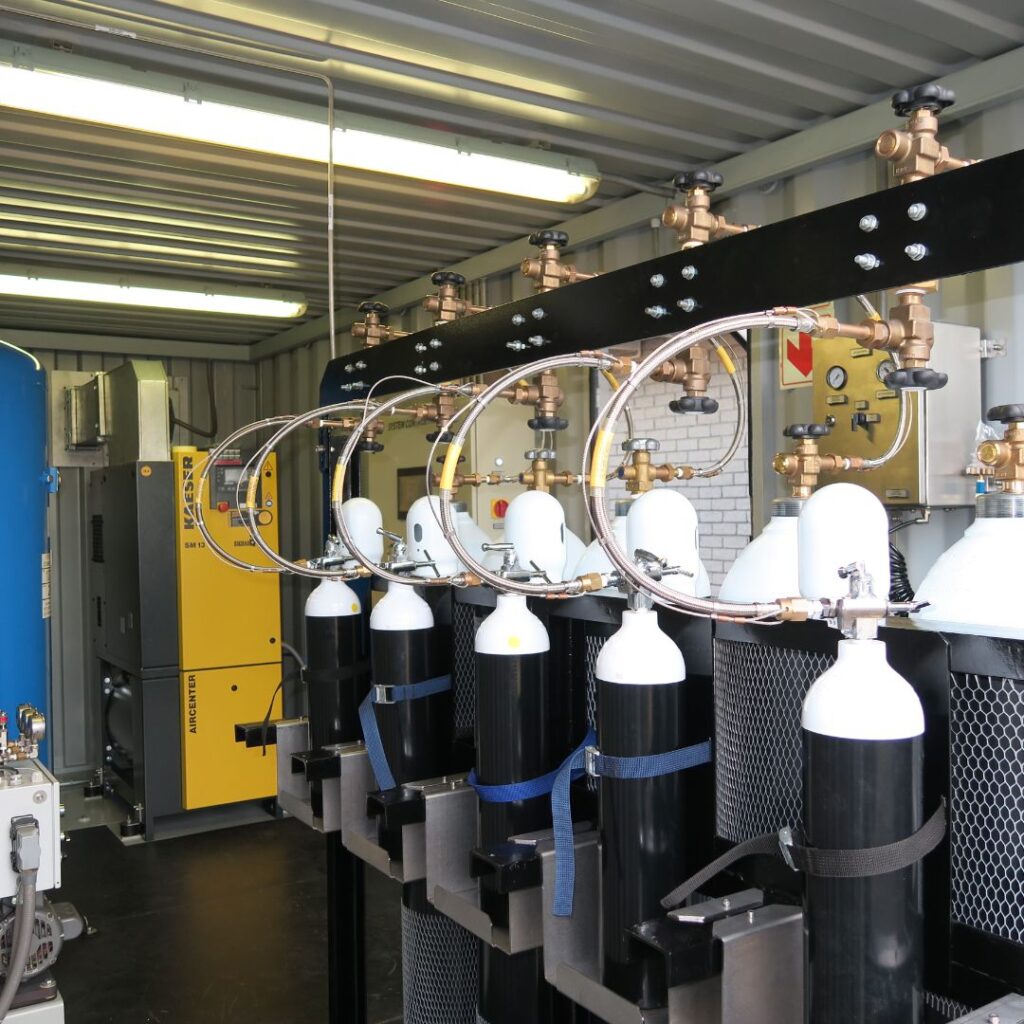
Medical Oxygen Cylinder Filling
Primary supply, resilience, and clinical distribution support
In medical environments, oxygen cylinder filling systems are applied in three legitimate, engineered roles.
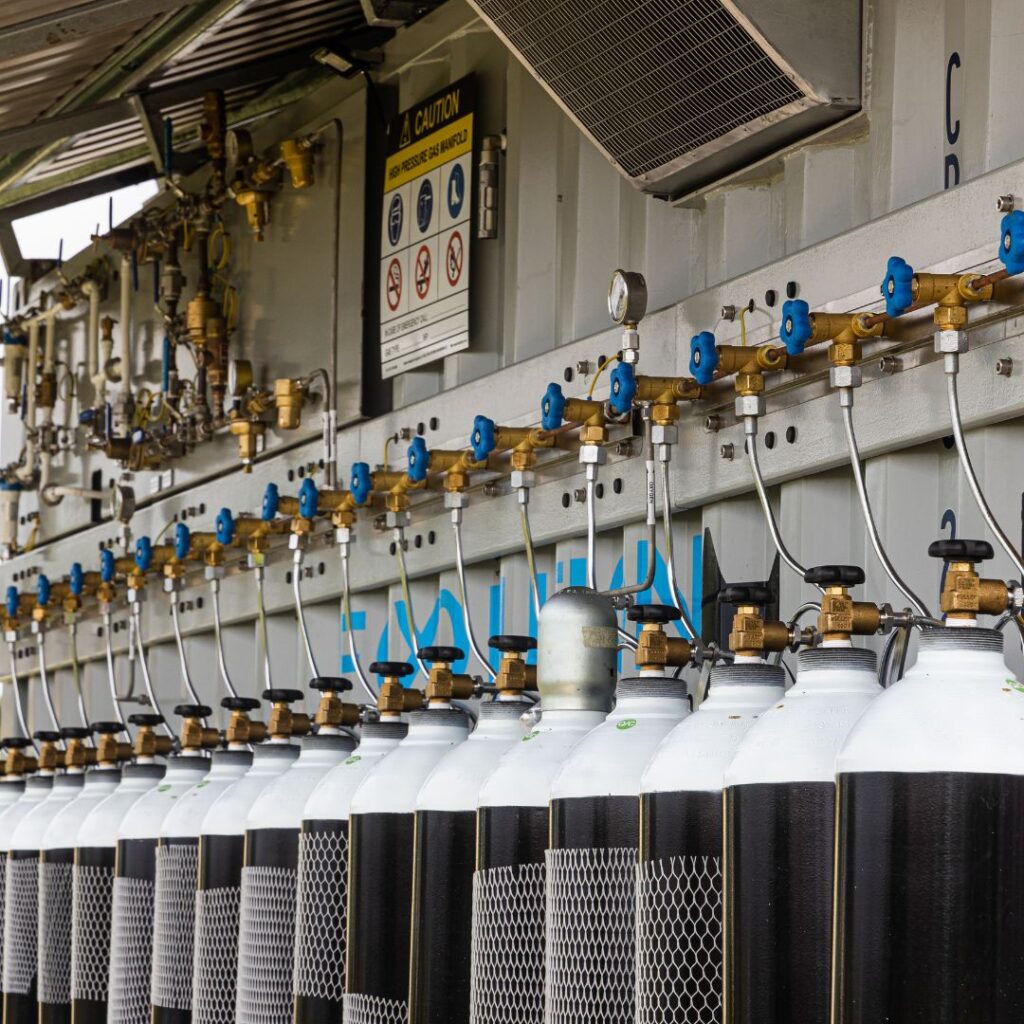
Primary Oxygen Supply (Selected Facilities)
Cylinder-based oxygen supply may serve as the primary delivery method where:
• Facility scale or layout does not justify full pipeline infrastructure
• Oxygen demand is intermittent or limited to lower-acuity clinical environments
• Infrastructure, automation, and redundancy must remain proportionate
• Clinical risk can be governed through controlled filling and changeover
Typical contexts include clinics, community health centres, and decentralised healthcare facilities.
When engineered correctly, cylinder-based delivery is not a compromise — it is a proportionate clinical infrastructure decision.
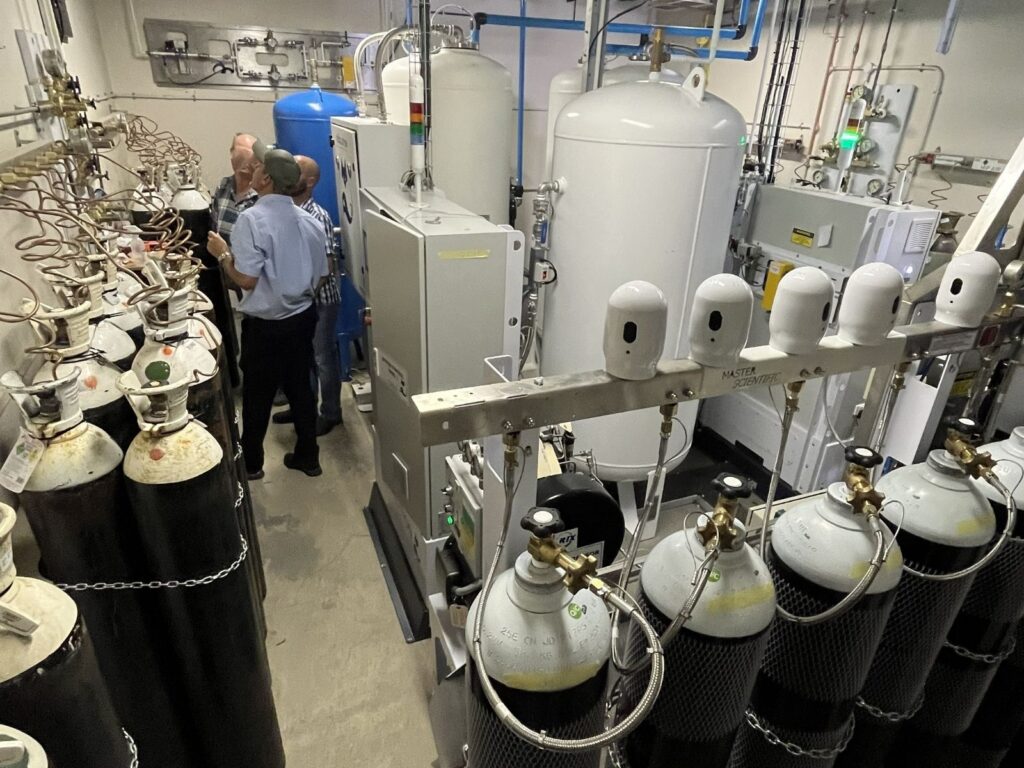
Resilience & Backup for Direct-Supply Systems (Including Large Hospitals)
In larger hospitals with direct on-site oxygen generation (e.g. PSA-based pipeline systems), cylinder filling systems are frequently engineered as a secondary resilience layer.
This supports:
• Continuity of supply during planned maintenance
• Protection against unplanned system failures
• Strategic buffer stock for abnormal demand events
• Operational flexibility without clinical interruption
In this role, cylinders are typically connected to automatic or manual manifold systems, allowing seamless pipeline supply when required.
Cylinder filling here does not replace direct supply — it reinforces resilience, preparedness, and operational confidence.
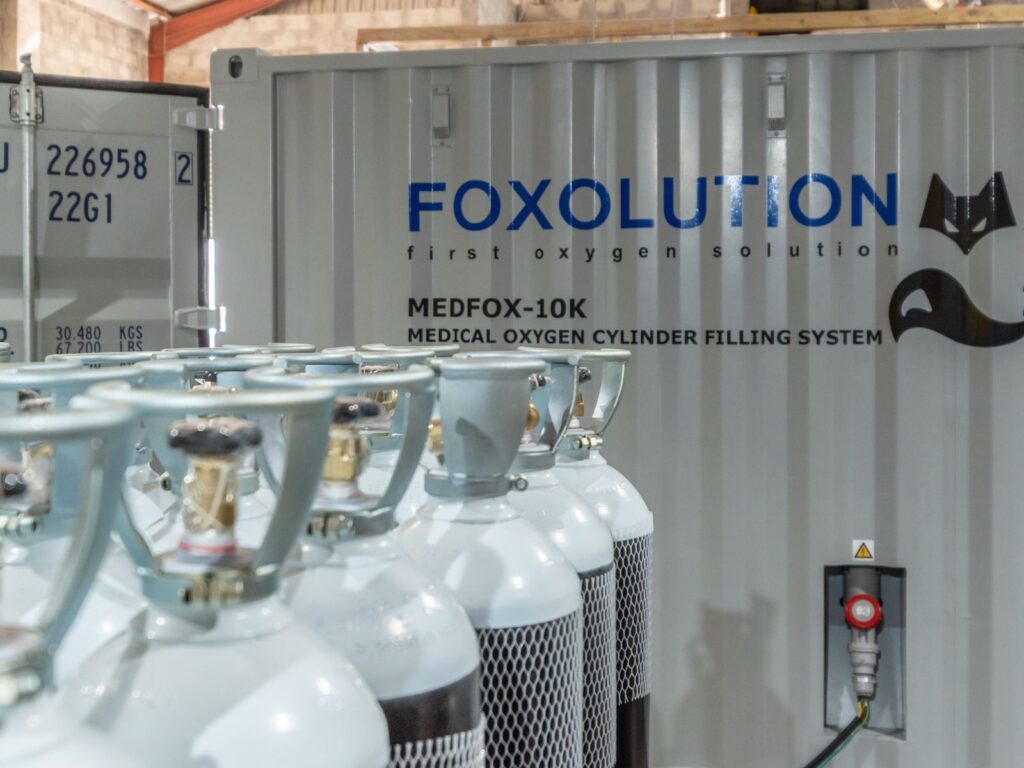
Clinical Distribution & Hub-and-Spoke Models
Cylinder filling systems also support centralised medical hubs supplying oxygen beyond a single facility.
This includes:
• Ambulance cylinder filling for emergency response
• Supply to satellite clinics and outreach facilities
• Hub-and-spoke healthcare delivery models
• Temporary or mobile medical deployments
Cylinder filling enables oxygen to move with governance, rather than relying on unmanaged third-party supply chains.
Industrial Oxygen Cylinder Filling
Pipeline supply and mobile delivery from a common filling architecture
In industrial environments, oxygen cylinder filling systems are applied using the same two delivery pathways — selected according to operational need.
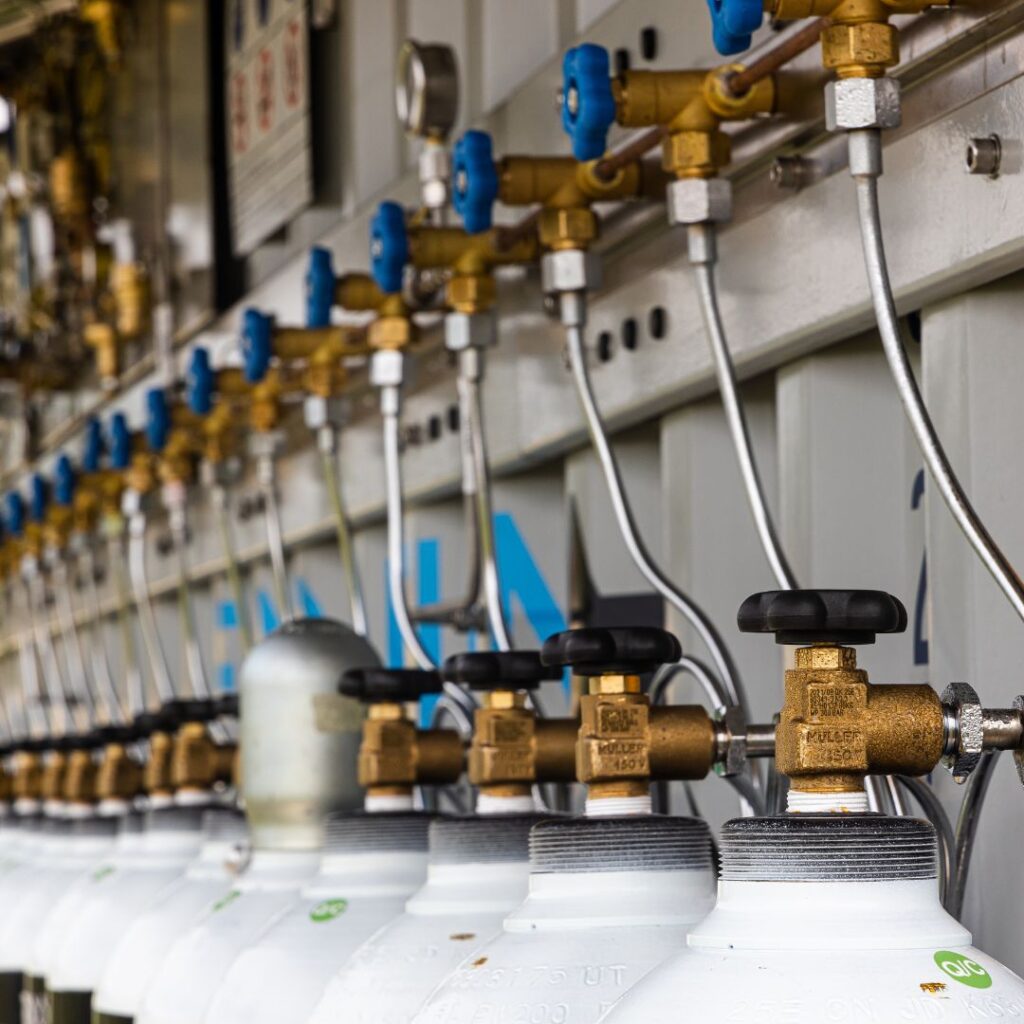
Cylinder-to-Manifold → Pipeline Supply
In many industrial facilities, cylinders are filled centrally and connected to manifold systems that supply oxygen directly into fixed pipelines.
This approach is applied where:
• Fixed pipeline supply is required, but on-site generation is centralised
• Redundancy or buffering is required upstream of the process
• Phased projects or interim supply strategies are needed
• Operational flexibility is required without full plantroom duplication
In this configuration, cylinder filling supports controlled pipeline oxygen delivery, governed as part of the site’s permanent infrastructure.

Cylinder-to-Work-Site → Mobile or Distributed Use
Industrial cylinder filling systems also support oxygen delivery directly to the point of work, where fixed reticulation is impractical or restrictive.
This applies where:
• Work fronts are distributed or move over time
• Temporary or phased construction activities are underway
• Maintenance shutdowns or bypass operations are required
• Cutting, welding, and thermal works occur away from fixed plant
• Site layouts are evolving or expansion is planned
Here, cylinder-based delivery allows oxygen to be taken to the work, rather than forcing the work to adapt to permanent infrastructure.
In many industrial operations, both approaches coexist, engineered from a single, governed filling architecture.
Cylinder filling is therefore not secondary in industrial environments — it is a first-class oxygen delivery strategy aligned to real operating conditions.
Infrastructure Proportionality
Engineering the right level of system for the operating context
Not all facilities — medical or industrial — require the same level of:
• Automation • Instrumentation
• Redundancy
• Fixed reticulation
In some environments, fully automated direct-supply systems may be disproportionate to actual demand, risk exposure, or operational capability.
In these cases, cylinder-based systems represent the most appropriate engineered solution, provided that:
• Oxygen quality is verified and controlled
• Filling, storage, and handling procedures are governed
• Manifold changeover and reserve strategies are defined
• Operational responsibility is clearly assigned
The decision is not driven by convenience or cost alone. It is driven by proportionate risk management and lifecycle sustainability.

System Architecture
Generation → Filling → Storage → Distribution
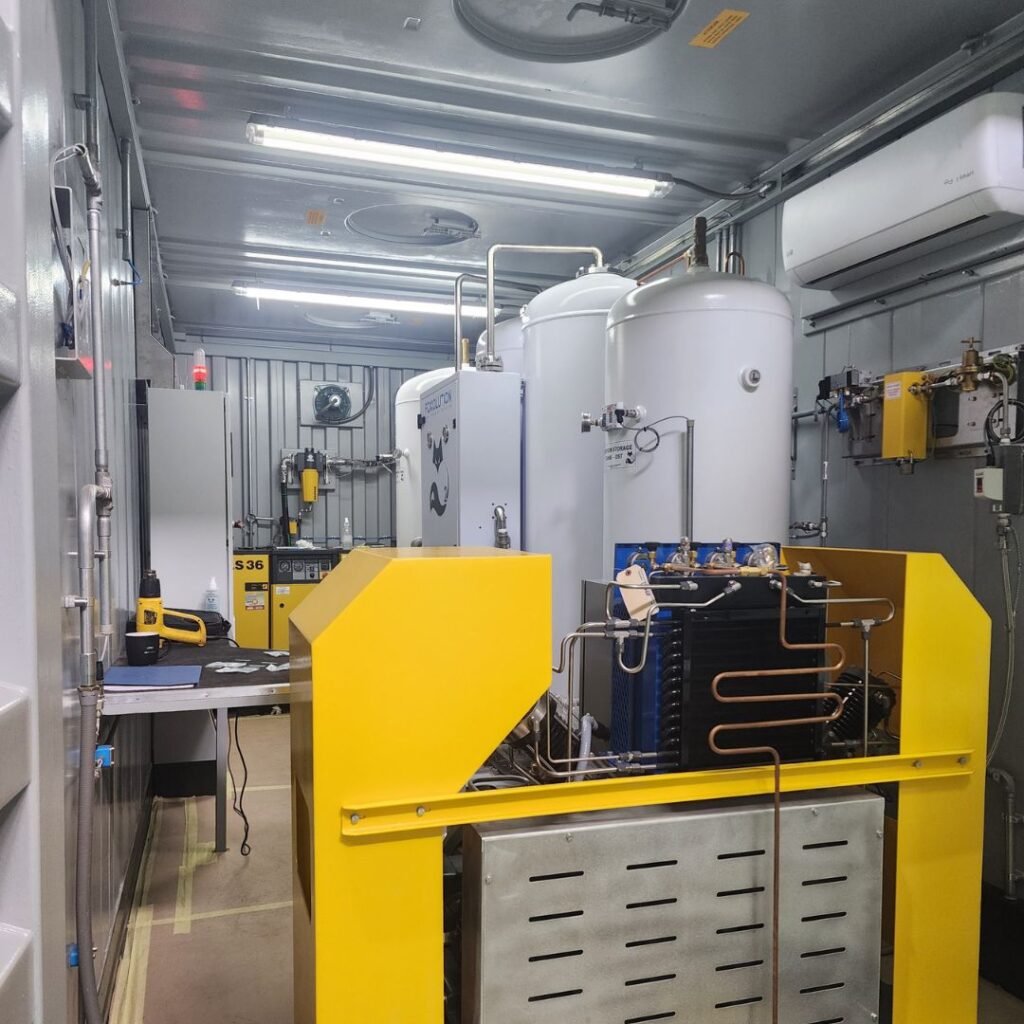
Foxolution oxygen cylinder filling systems are engineered as integrated delivery architectures, not collections of equipment.
Generation
Oxygen generation capacity is defined against sustained operational demand, not nominal averages.
System definition considers:
• Duty cycle and utilisation
• Load variability
• Maintenance access without loss of supply
• Redundancy aligned to operational or clinical risk
Filling, Storage & Distribution
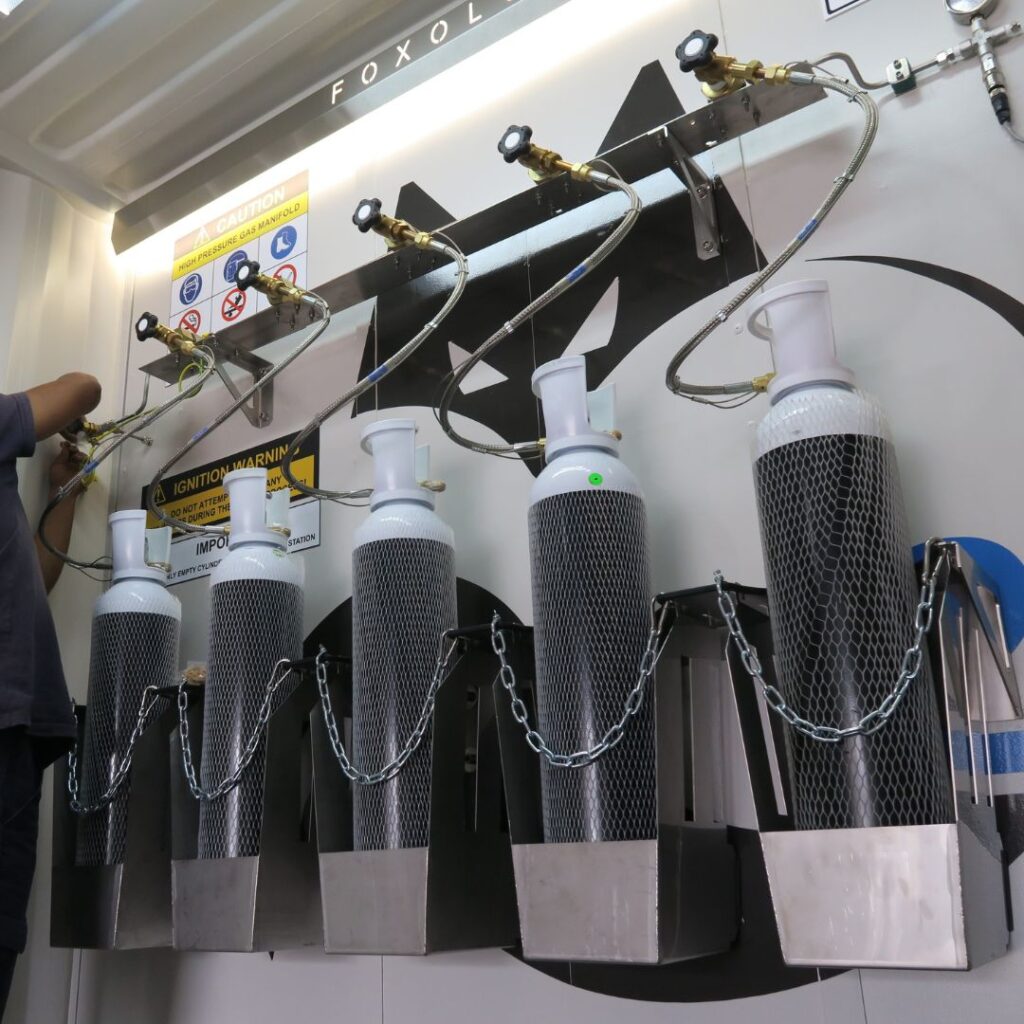
Cylinder filling systems are engineered to:
• Control filling pressures and procedures
• Manage heat, wear, and fatigue
• Enforce cylinder segregation and zoning
• Integrate with manifold systems and pipelines
• Support governed transport to work sites
• Align with site safety and permit systems
Architectural decisions are governed by risk, control, and lifecycle accountability, not catalogue layouts.
Oxygen Supply Sources
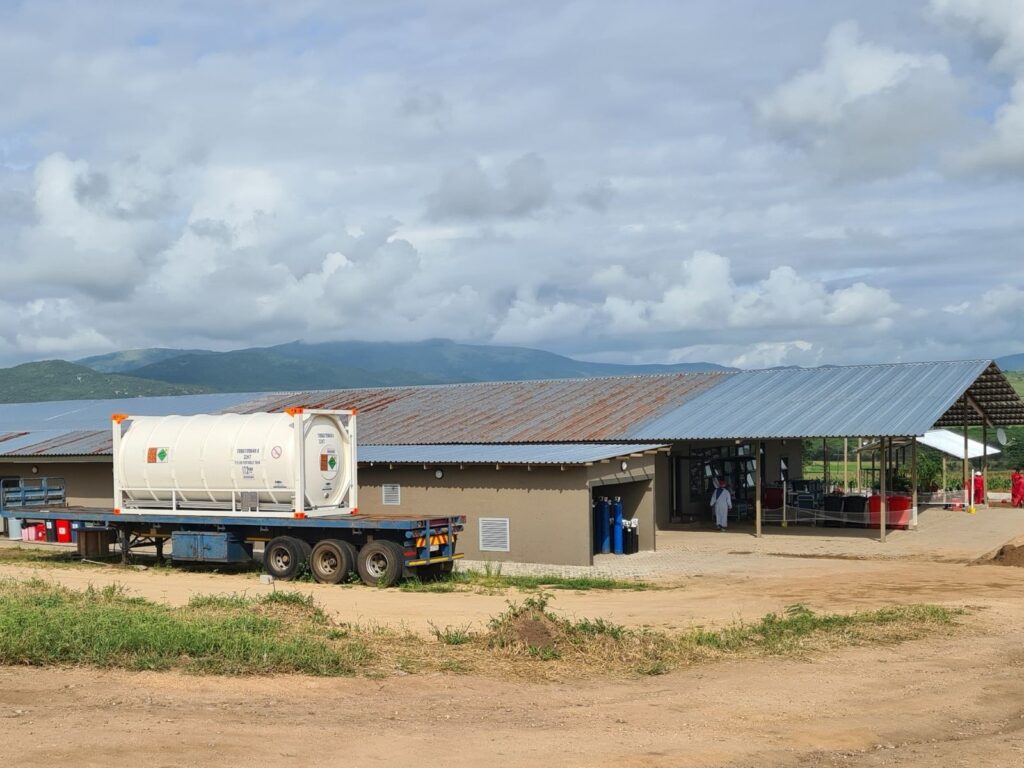
Cylinder filling systems may be supplied by different oxygen production strategies, selected according to scale, duty cycle, and logistics exposure:
• PSA systems for decentralised or moderate demand
• LOX systems where bulk logistics and scale justify integration
The distinction is not the supply technology — it is how the system is engineered, controlled, and governed.
System Configuration & Deployment Approach
Cylinder filling systems may be delivered in different engineered configurations, selected according to site constraints and deployment requirements.
Foxolution engineers systems as:
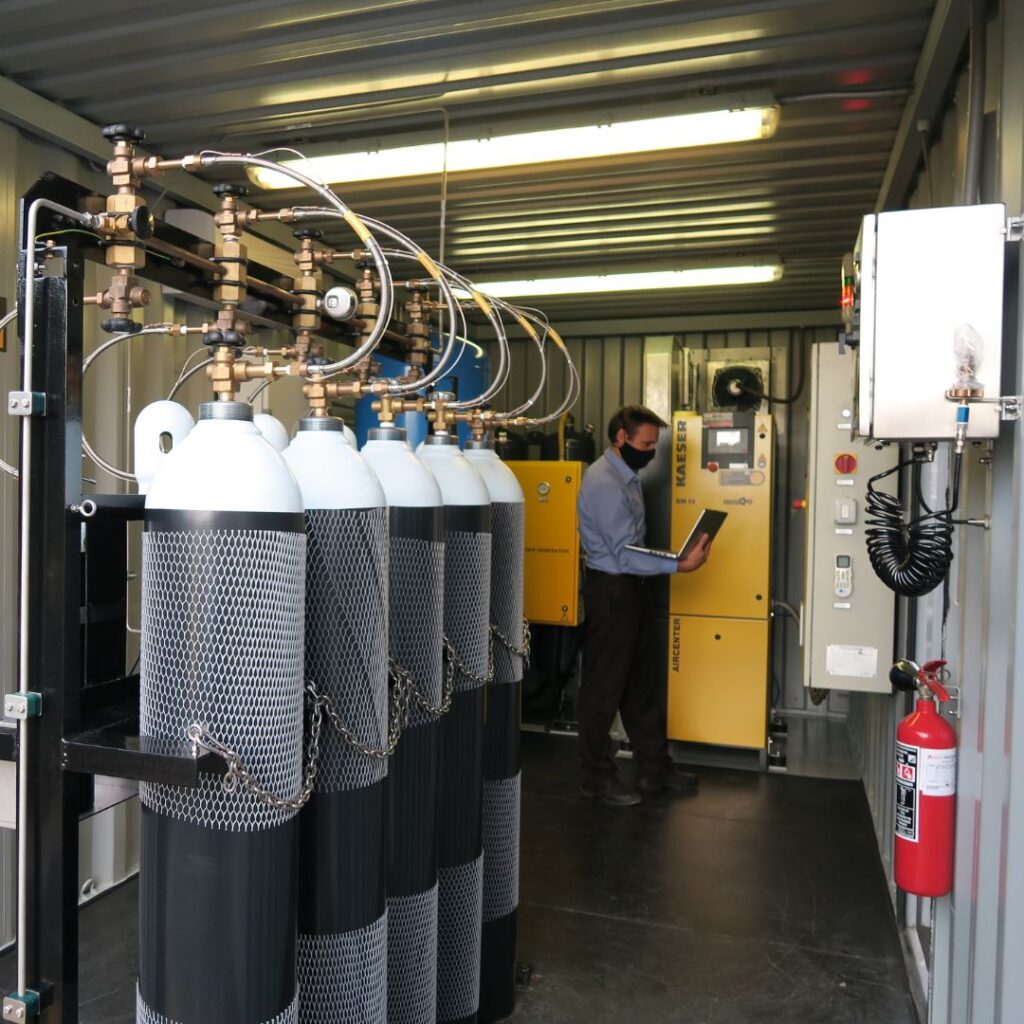
• Containerised installations for rapid deployment or constrained sites
• Skidded systems integrated into existing plantrooms
• Permanent plantroom installations for long-term infrastructure
Configuration is an engineering decision, not a product choice. All formats are governed to the same safety, quality, and compliance standards.
Engineering Governance
Applies across medical and industrial applications
Regardless of application or configuration, oxygen cylinder filling systems engineered by Foxolution incorporate:
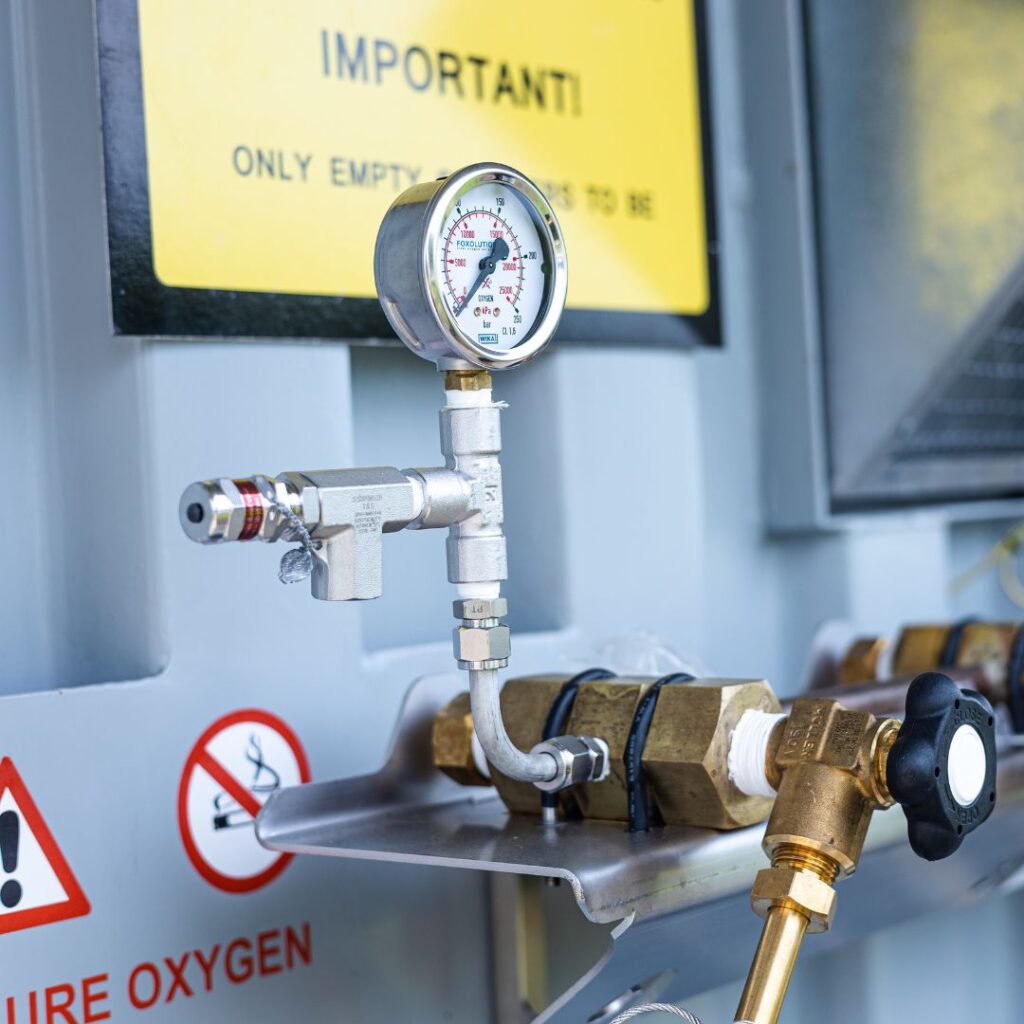
• Controlled oxygen quality verification
• Defined primary and reserve supply philosophy
• Governed filling and manifold changeover procedures
• Cylinder handling, storage, and segregation control
• Clear operational responsibility and accountability
Cylinder filling concentrates human interaction with oxygen. Governance is therefore intensified — not relaxed.
Compliance & Standards
Systems are designed, manufactured, and installed in accordance with applicable medical and industrial gas standards, including:
• Relevant SANS standards and pressure equipment regulations
• Oxygen materials compatibility and cleaning requirements
• ISO 7396-1 (where medical pipeline distribution applies)
• WHO medical oxygen guidance (for healthcare applications)
• ISO 9001 quality management systems
• ISO 13485 medical device manufacturing controls (in progress)
Compliance is designed into the system, documented, and verified.
Lifecycle Support
Oxygen cylinder filling infrastructure remains an operational or clinical asset long after commissioning.
Foxolution provides full lifecycle support, including:
• Front-end system definition and risk assessment
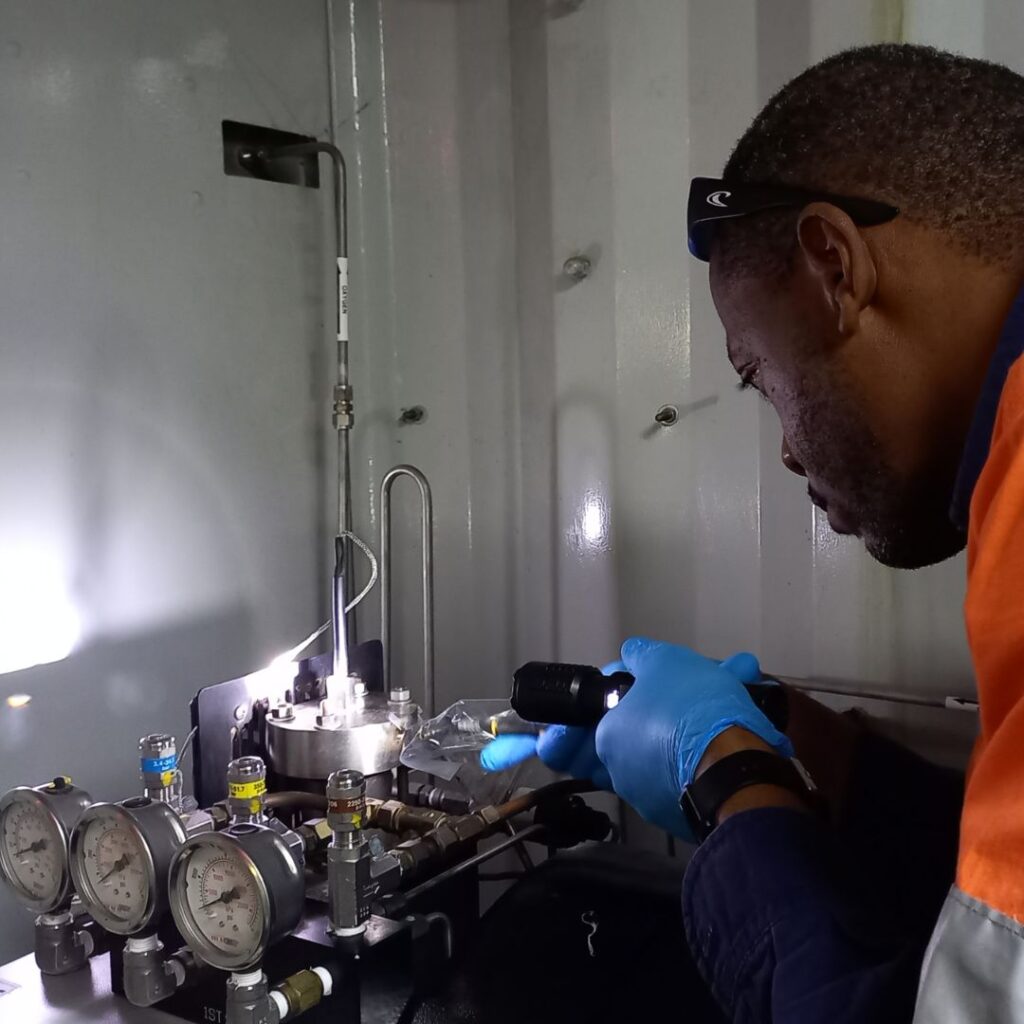
• Installation, commissioning, and verification
• Operator training and competency development
• Preventive and corrective maintenance
• Periodic audits and performance assessment
• Remedial works, upgrades, and capacity expansion
We retain accountability beyond handover.
Discuss Your Oxygen Cylinder Filling Requirements
Every facility operates under its own operating realities, risk profile, and governance constraints.
Foxolution engages directly with engineering, operations, and clinical stakeholders to define appropriate, governed oxygen delivery strategies
Discuss Your Application
Technical discussions only.
No obligation. No sales pressure.