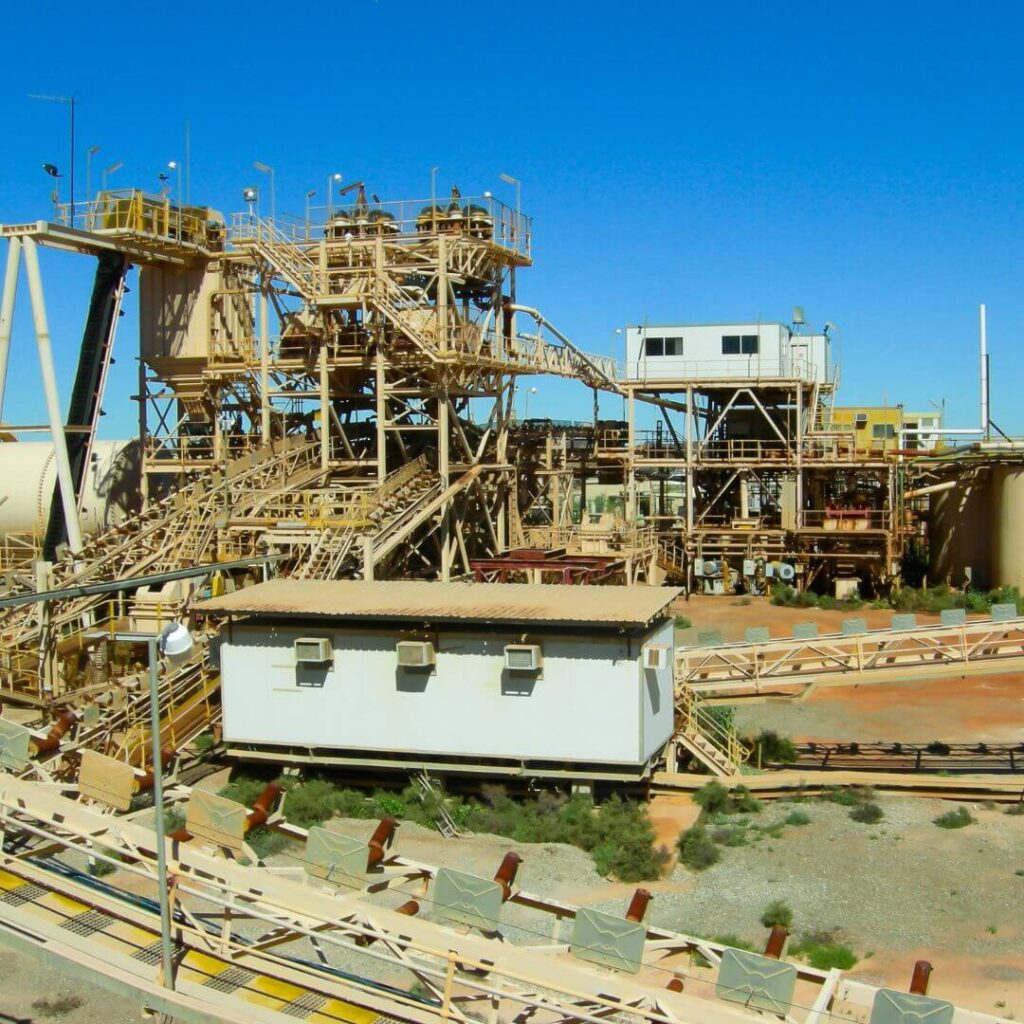
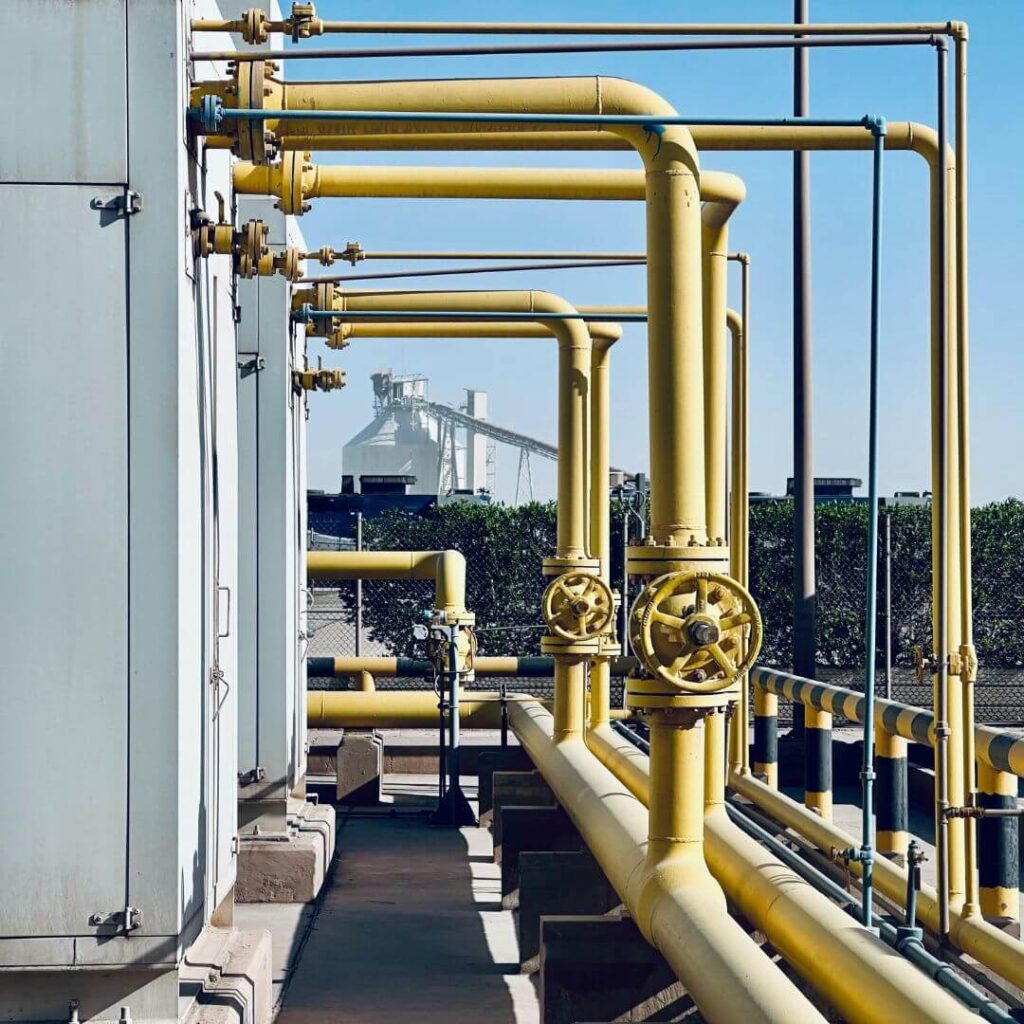
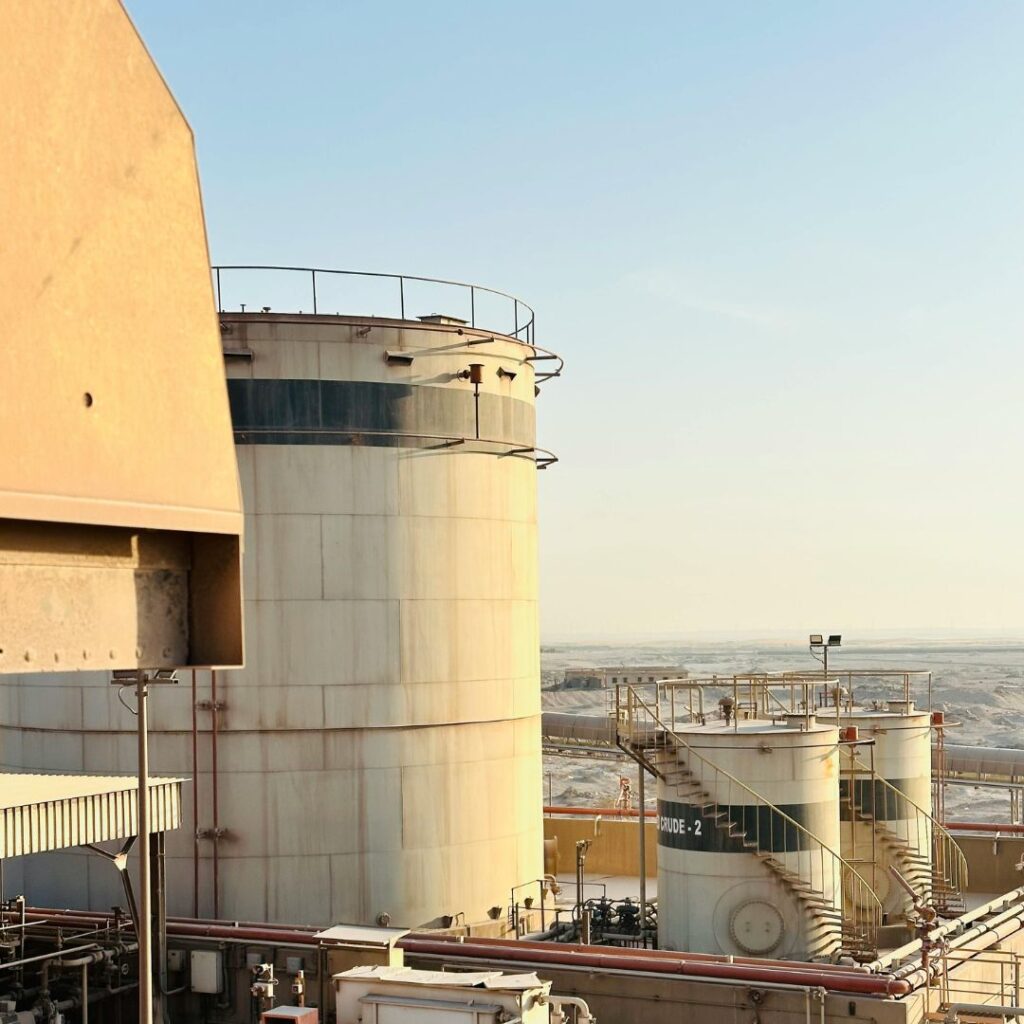
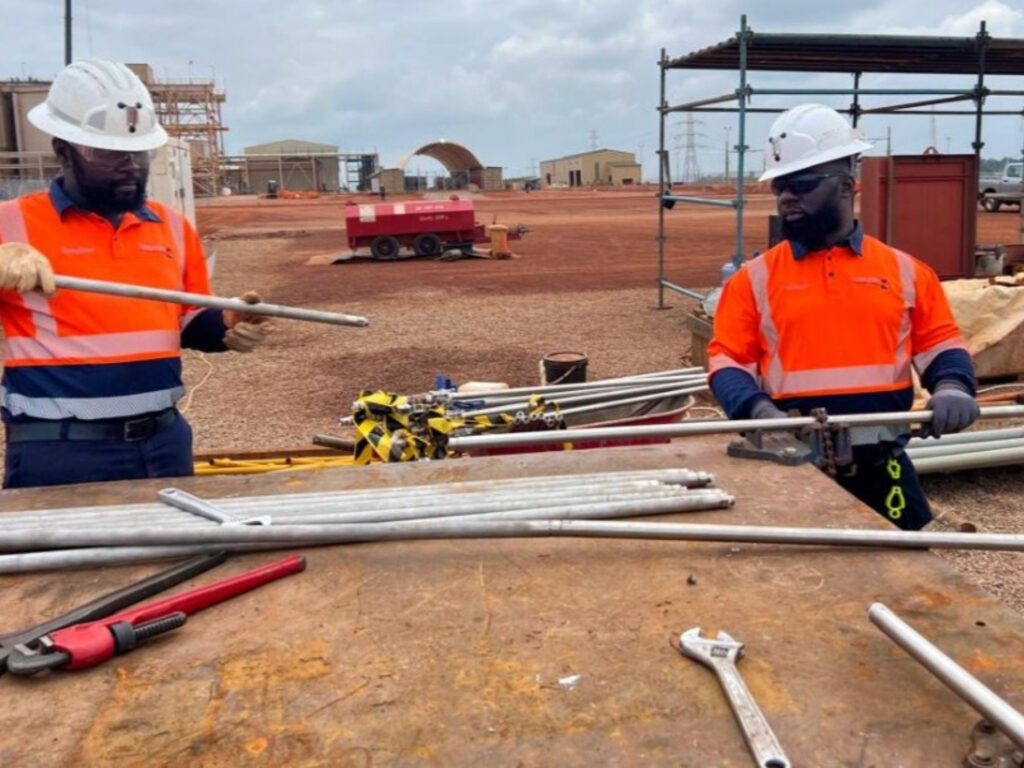
Mining oxygen solutions operate where failure has consequences: production loss, safety exposure, and downstream process instability. Unlike controlled industrial facilities, mining sites frequently operate in abrasive, high-solids, and dynamically changing environments where oxygen delivery must be engineered as part of the process — not assumed as a utility.
Oxygen Injection & Sparger Systems
Engineered oxygen distribution for CIL, CIP, and high-intensity oxidation circuits
Oxygen generation alone does not guarantee metallurgical stability.
In gold leach and oxidation circuits, dissolved oxygen performance is determined at the point of reaction — inside the slurry, under abrasive, high-solids, and often poorly visible conditions. Failures in injection and distribution architecture frequently drive instability long before generation systems show fault.
Foxolution engineers oxygen injection and sparger systems as governed process infrastructure, integrated deliberately into mining environments where failure has operational consequences.
Injection is a Process Interface — Not Pipework
In many operations, oxygen is available at the header but unstable at the tank.
Common causes include:
· Uneven distribution between tanks
· Blocked or partially fouled sparger assemblies
· Unverified flow allocation per injection point
· Pressure imbalance across manifolds
· Erosion-driven performance drift
· Poor isolation philosophy during maintenance
Injection must therefore be engineered relative to:
· Tank hydrodynamics
· Slurry density and abrasiveness
· Required oxygen transfer stability
· Maintainability under live plant conditions
· Oxygen-rich safety exposure
The objective is controlled oxygen transfer into slurry over sustained operating cycles — not nominal flow at a flange.
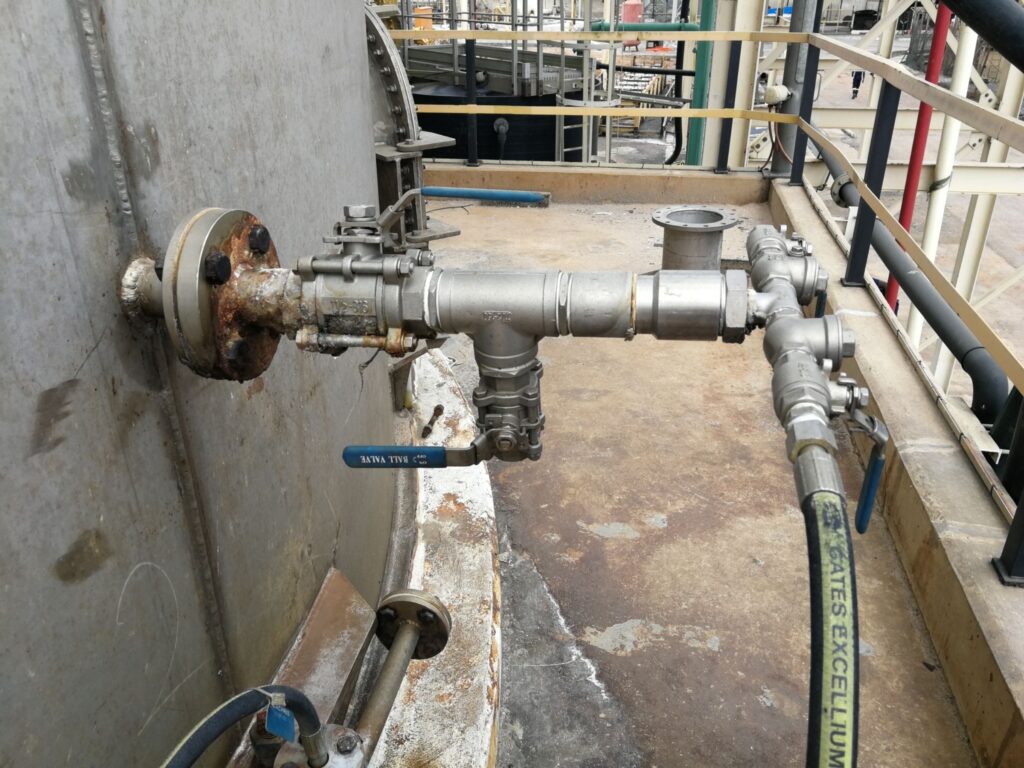
Sparger Assemblies
Foxolution designs and integrates sparger assemblies specific to CIL and CIP applications.
Configurations may include:
· Bottom-entry spargers
· Top-mounted lance assemblies
· Multi-port injection arrangements
· Removable and serviceable modular designs
Engineering attention is applied to:
· Wear exposure and erosion mechanisms
· Fouling and blockage risk
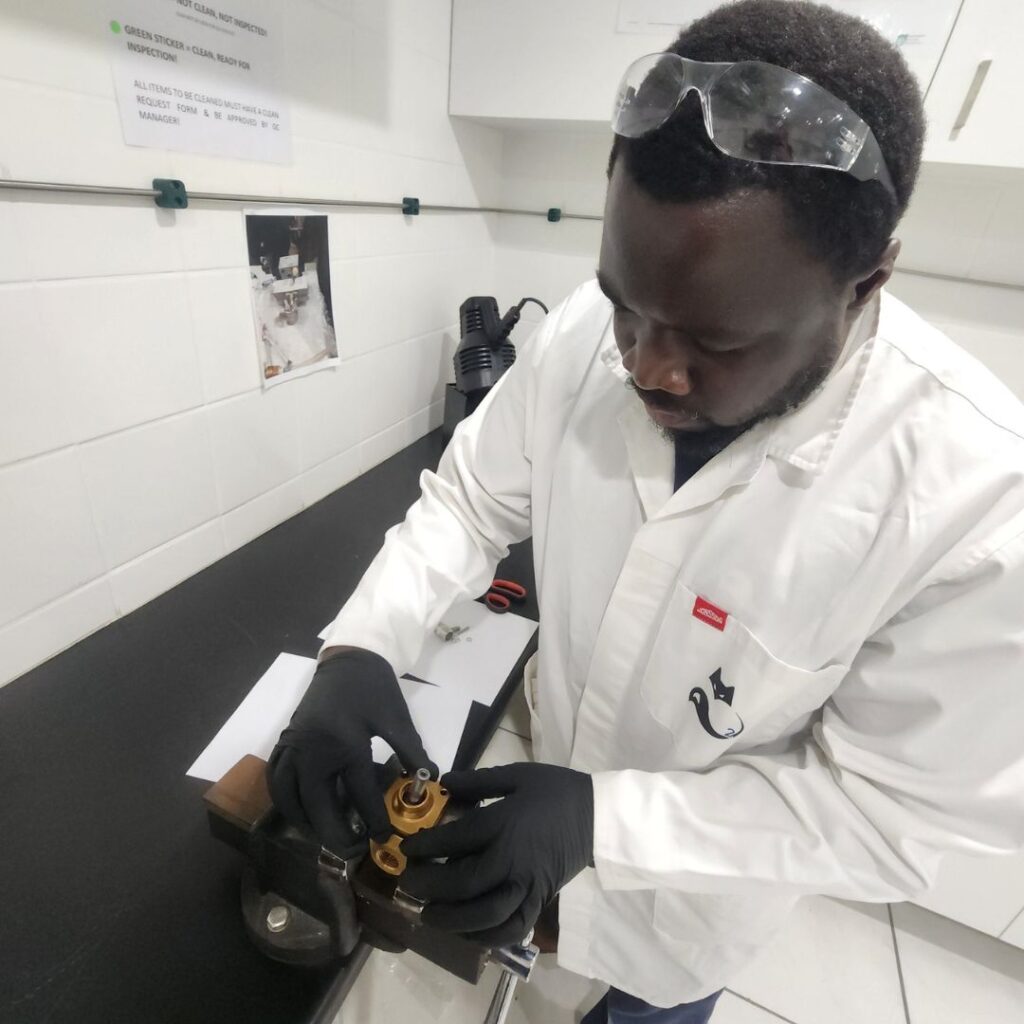
· Oxygen compatibility and contamination control
· Defined inspection and replacement regimes
· Accessibility under operating conditions
No sparger configuration is selected generically.
Each is defined against the metallurgical and mechanical reality of the circuit.
Lances & Localised Injection
Where injection must be resilient under abrasive slurry conditions, lance assemblies are engineered to provide:
· Mechanical durability
· Defined support and anchoring philosophy
· Controlled isolation per injection point
· Predictable service access
Localised injection is not a simplification strategy. It is a means of preserving controlled oxygen allocation under high-duty conditions.
Injection Manifolds & Distribution Architecture
Oxygen distribution upstream of the sparger determines downstream stability.
Foxolution integrates:
· Multi-point distribution manifolds
· Structured routing to minimise stagnation and debris accumulation
· Defined allocation per tank
· Isolation logic aligned to maintenance governance
Distribution architecture is selected based on long-term reliability and site maintainability — not installation convenience.
Flow Monitoring & Verification
Assumed flow is unacceptable in high-consequence metallurgical systems.
Injection infrastructure may incorporate:
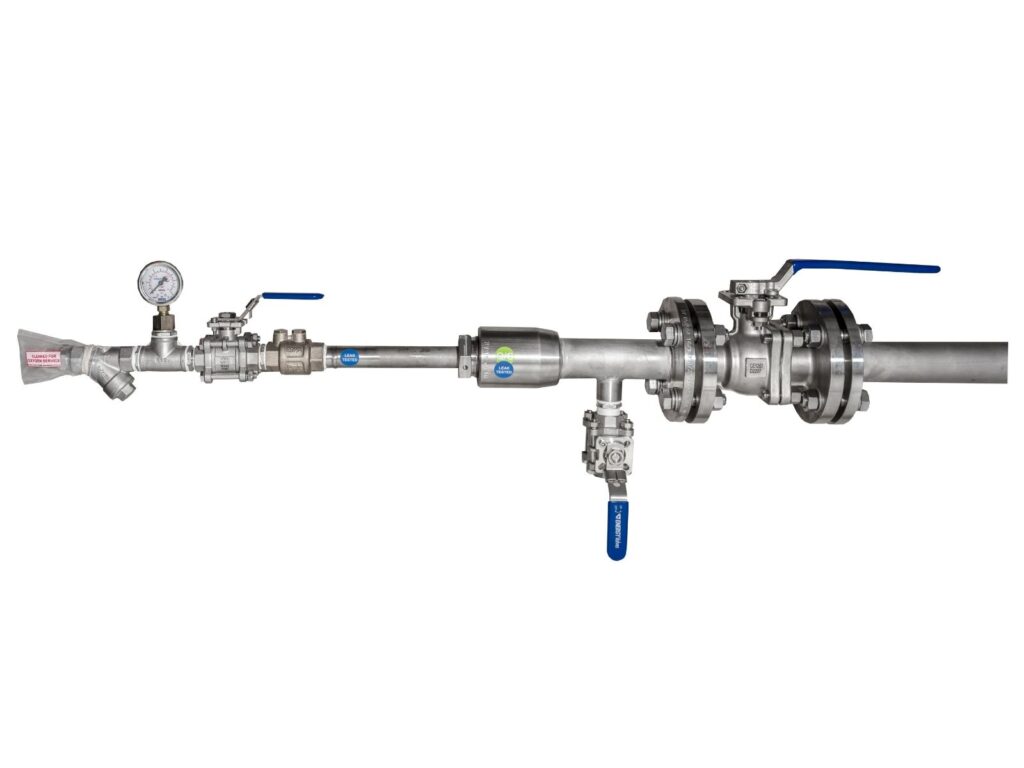
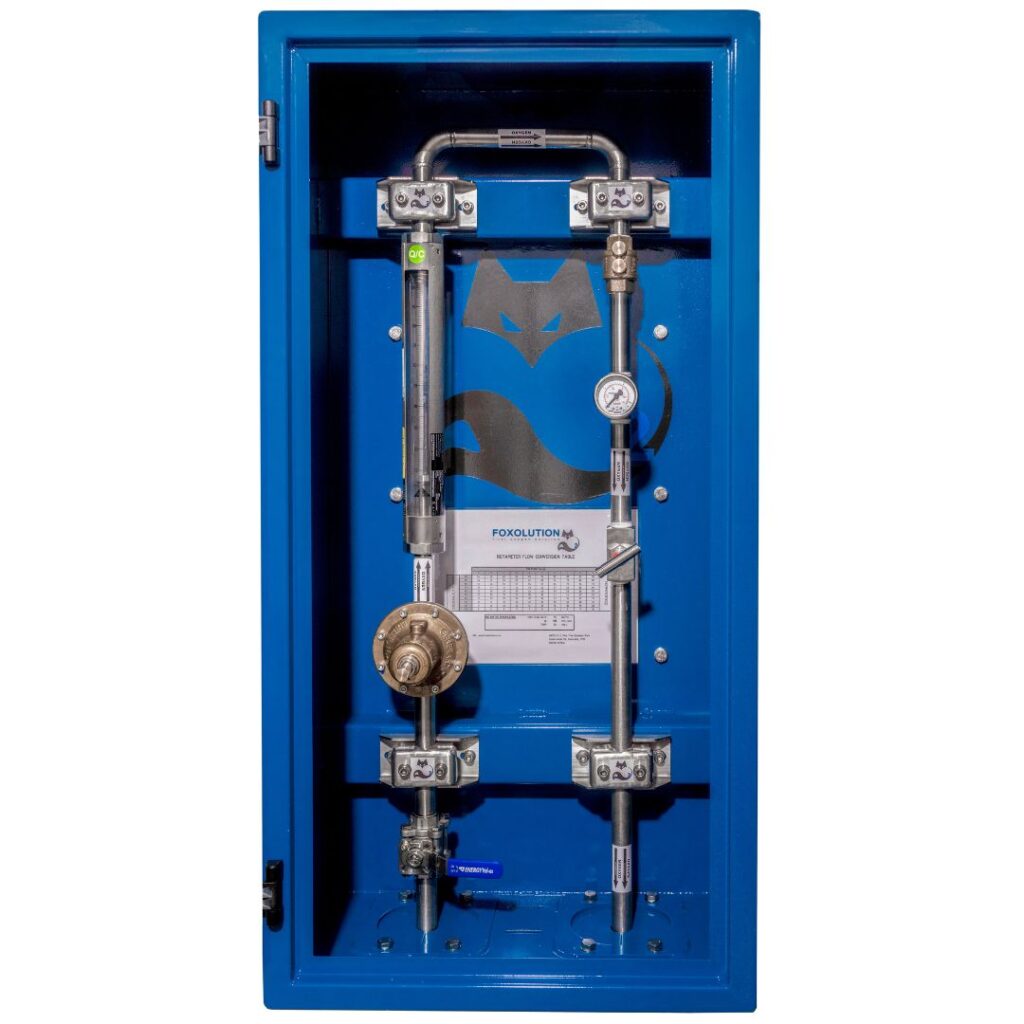
· Individual flow verification per lance
· Defined high-high and low-flow alarming
· Differential performance detection between tanks
· Structured integration with plant control systems
Instrumentation is applied to safeguard injection stability and operational safety — not to introduce complexity.
The aim is early detection of imbalance, blockage, or abnormal oxygen behaviour before recovery performance is affected.
Retrofit & Remedial Injection Projects
Many mines operate legacy sparger systems that:
· Deliver uneven oxygen distribution
· Lack flow visibility at injection points
· Exhibit corrosion or erosion damage
· Introduce avoidable maintenance-driven downtime
Foxolution undertakes:
· Injection architecture audits
· Sparger and lance replacement programs
· Distribution manifold redesign
· Flow verification upgrades
· Cross-OEM integration with existing oxygen supply systems
The objective is sustained injection stability over defined operating horizons — not short-term correction.
Safety & Oxygen Compatibility
Injection systems operate in oxygen-enriched environments where ignition risk must be managed deliberately.
Design considerations include:
· Materials compatibility
· Cleanliness governance
· Isolation integrity
· Alarm logic for abnormal operating conditions
· Defined inspection protocols
Injection assemblies are treated as oxygen infrastructure — not ancillary piping.
Advanced Injection Development
Foxolution continues to develop enhanced oxygen injection technologies aimed at improving oxygen transfer efficiency, reducing maintenance exposure, and strengthening safety performance in high-solids slurry environments.
Certain solutions are under patent-pending development.
Technical engagement is conducted under controlled discussion where appropriate.
Lifecycle Accountability
Injection systems require ongoing governance.
Foxolution provides:
· Inspection programs
· Wear and performance assessments
· Flow verification review
· Injection optimisation support
· SLA-backed lifecycle maintenance
Accountability does not end at commissioning.
Discuss Your Mining Oxygen Requirements
Every mine operates under its own metallurgical reality, operating constraints, and risk profile.
Foxolution engages directly with metallurgists, engineers, and operations teams to define an appropriate, governed oxygen solution aligned to production stability and long-term support.
Discuss Your Application
Technical discussions only. No obligation. No sales pressure.