

Special Gas Projects
Structured Engineering for Complex Gas Environments
Certain applications extend beyond standard oxygen or nitrogen generation.
They involve multi-gas interaction, reactive environments, high-purity requirements, compression risk, and participation within formal capital project frameworks.
Foxolution undertakes selected special gas projects where disciplined engineering, governance alignment, and defined accountability are required.
Engagement is scope-defined and selective.
Bespoke & Multi-Gas Systems
Engineered Around Defined Risk
Special gas environments frequently operate within elevated technical and safety constraints.
Applications may involve:
• Oxidising gases, including oxygen-enriched service
• Inert gases across single or multiple pressure regimes
• Fuel gases, including hydrogen and other reactive media
• Multi-gas blending and controlled interface systems
• High-purity or contamination-sensitive processes
• Segregated pressure and distribution architectures
In these contexts, gas is treated as a controlled process variable with defined consequence — not as a utility.
Engineering decisions are informed by:
• Gas compatibility and material interaction
• Ignition risk identification and mitigation
• Pressure and temperature boundary control
• Cross-contamination prevention
• Standards alignment and regulatory requirements
• Structured hazard identification and HAZOP participation where applicable
System architecture, documentation, validation, and commissioning discipline are applied proportionally to defined project scope and risk profile.
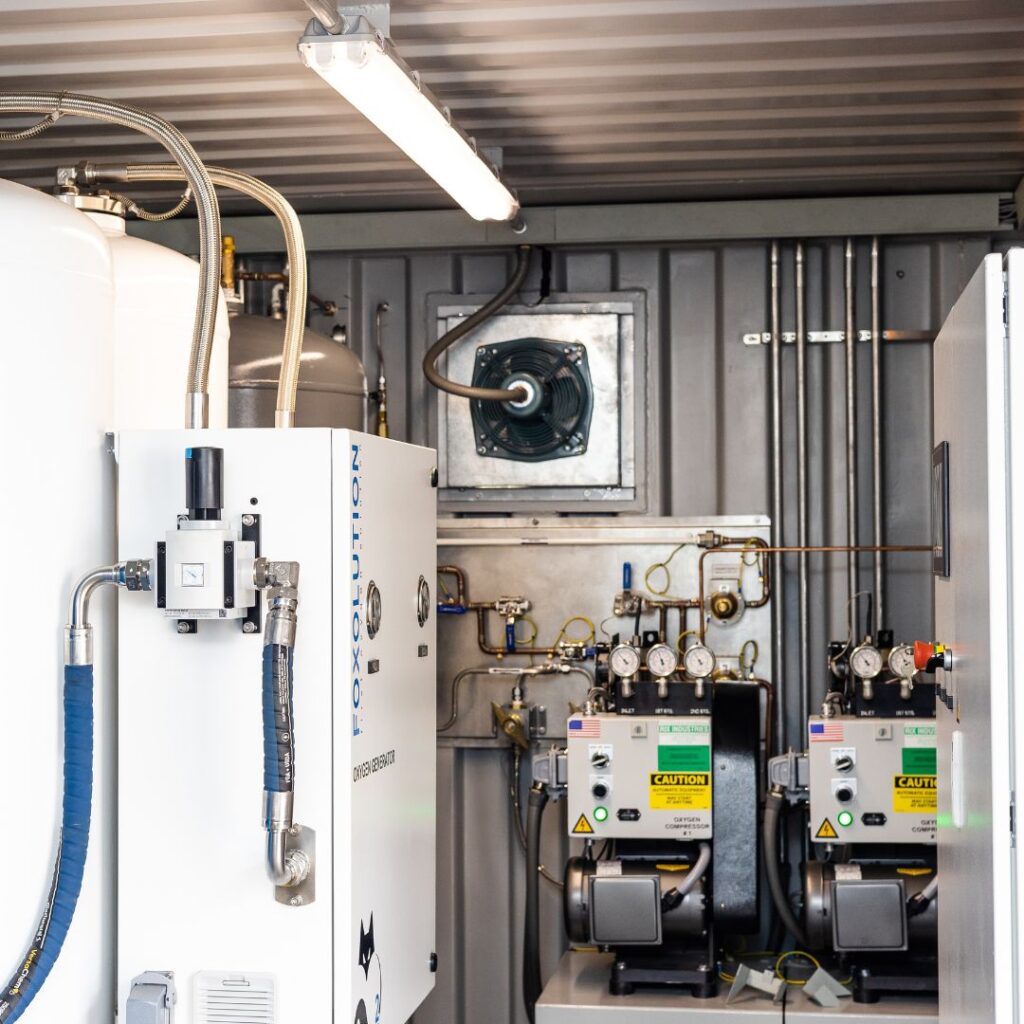
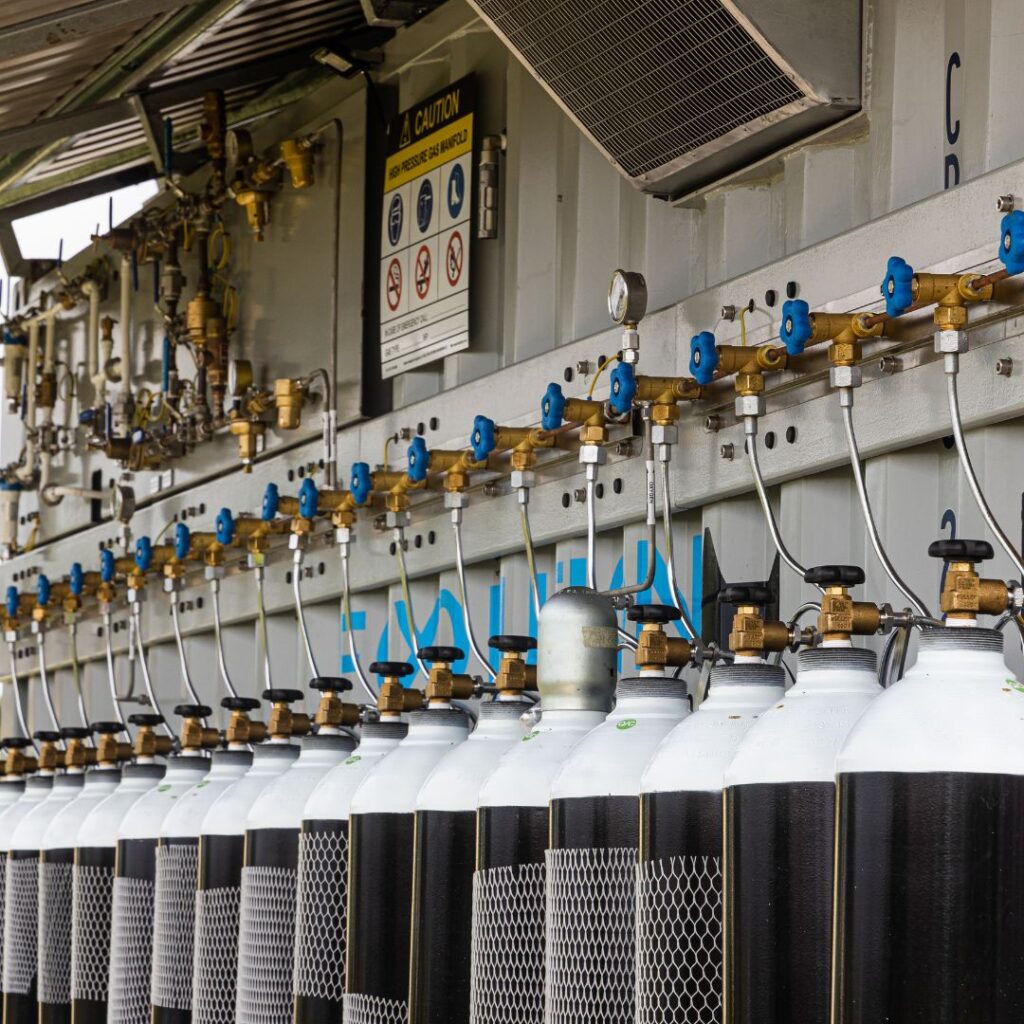
Special gas environments may involve:
• Oxidising gases (including oxygen-enriched service)
• Inert gases (single or multiple regimes)
• Fuel gases, including hydrogen and other reactive media
• Multi-gas blending and interface control
• High-purity or contamination-sensitive processes
• Segregated pressure architectures
In these applications, gas is treated as a controlled process variable — not a utility.
Engineering decisions are informed by:
• Gas compatibility and interaction
• Ignition risk mitigation
• Pressure and temperature control
• Cross-contamination prevention
• Applicable codes and standards
• Participation in formal HAZOP processes where required
Documentation, validation, and commissioning discipline are applied in line with project scope.
High-Purity & Reactive Compression Systems
Managed Within Defined Safety Margins
Compression of oxidising or fuel gases introduces elevated mechanical, thermal, and ignition risk. This applies particularly in oxygen-enriched and hydrogen service, where material compatibility, cleanliness, and pressure boundary integrity are critical.
Applications may include:
• Cylinder filling systems
• High-pressure oxygen or hydrogen injection
• Buffer storage and cascade arrangements
• Blending and controlled interface systems
• Redundant supply architectures
• Integration within electrolysis or multi-gas projects
Design philosophy addresses:
• Materials compatibility for reactive service
• Cleanliness levels appropriate to oxygen or hydrogen environments
• Temperature rise under compression
• Ignition source identification and mitigation
• Relief, isolation, and protection systems
• Alignment with applicable Pressure Equipment Regulations and standards
Compression is treated as controlled risk within defined engineering boundaries — not as mechanical hardware selection.
Compression of oxidising or fuel gases introduces elevated mechanical and ignition risk.
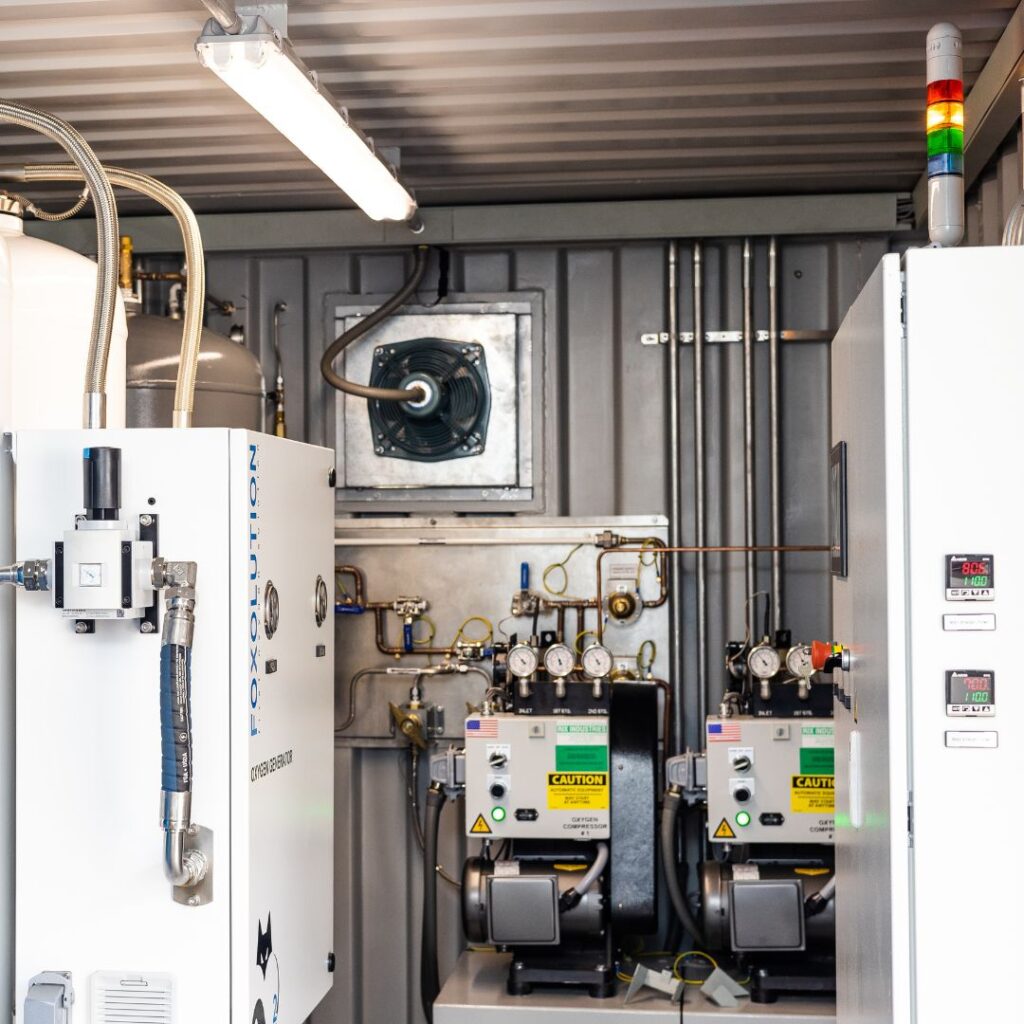
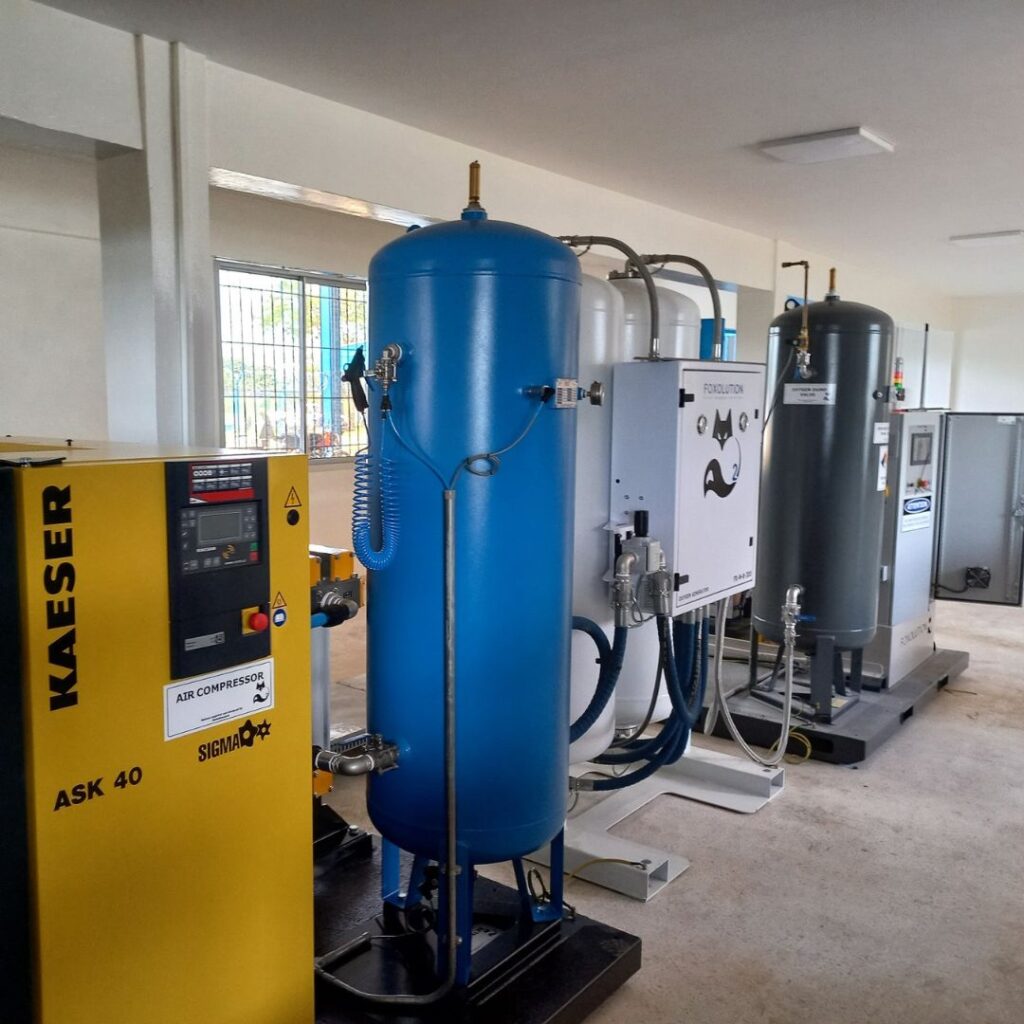
Applications may include:
• Cylinder filling
• High-pressure injection
• Buffer storage
• Blending systems
• Redundant supply architecture
Design philosophy addresses:
• Material compatibility
• Cleanliness levels appropriate to service
• Temperature management
• Ignition source mitigation
• Relief and protection systems
• Pressure Equipment Regulation alignment
Compression is engineered as controlled risk — not mechanical hardware selection.
EPCM & Capital Project Participation
Foxolution participates in structured capital and expansion projects where:
• Documentation control is formal
• Design reviews are staged
• Compliance is auditable
• Risk management is governed
Participation may include:
• FEED-stage input
• Performance specification
• HAZOP engagement
• Integration with OEM or third-party equipment
• Factory and site acceptance coordination
Engagement is defined by technical alignment and clarity of scope.
We do not position ourselves as universal gas consultants.
Fit And Engagement
Not every complex gas application requires our involvement.
We engage where:
• Engineering accountability is valued
• Risk boundaries are defined
• Governance structures are respected
• Technical depth can materially improve safety or performance
Where alignment exists, execution is disciplined and documented.
Discuss Your Special Gas Requirements
Every complex gas application operates within its own hazard profile, regulatory framework, and operational constraints.
Foxolution engages with EPCMs, engineers, consultants, and operators to determine whether structured engineering participation can add value within defined scope boundaries.
Discuss Your Application
Technical discussions only. No obligation. No sales pressure.