Engineering oxygen infrastructure for safety, reliability, and long-term accountability
Oxygen Engineering Demands Discipline, Not Improvisation
Oxygen is a high-risk, high-consequence utility. Its behaviour under pressure, enrichment, and contamination is well understood — and unforgiving of poor design.
Foxolution engineers oxygen systems as integrated infrastructure, governed by safety, materials compatibility, compliance, and lifecycle responsibility.
We do not approach oxygen as a machine selection exercise. We approach it as a system engineering discipline.
Every Foxolution oxygen system is engineered around four non-negotiable principles:
· Safety by design, not procedural mitigation
· Materials compatibility appropriate for oxygen service
· Reliability under sustained duty, not peak-only performance
· Lifecycle accountability, from concept through operation
These principles apply regardless of industry, scale, or supply strategy.
Safety & Materials Compatibility
Oxygen systems introduce elevated risks associated with:
· Oxygen enrichment
· Ignition sensitivity
· Contamination and hydrocarbon exposure
· Pressure and velocity effects
Foxolution designs address these risks through:
· Appropriate material selection for oxygen service
· Controlled velocities and pressure regimes
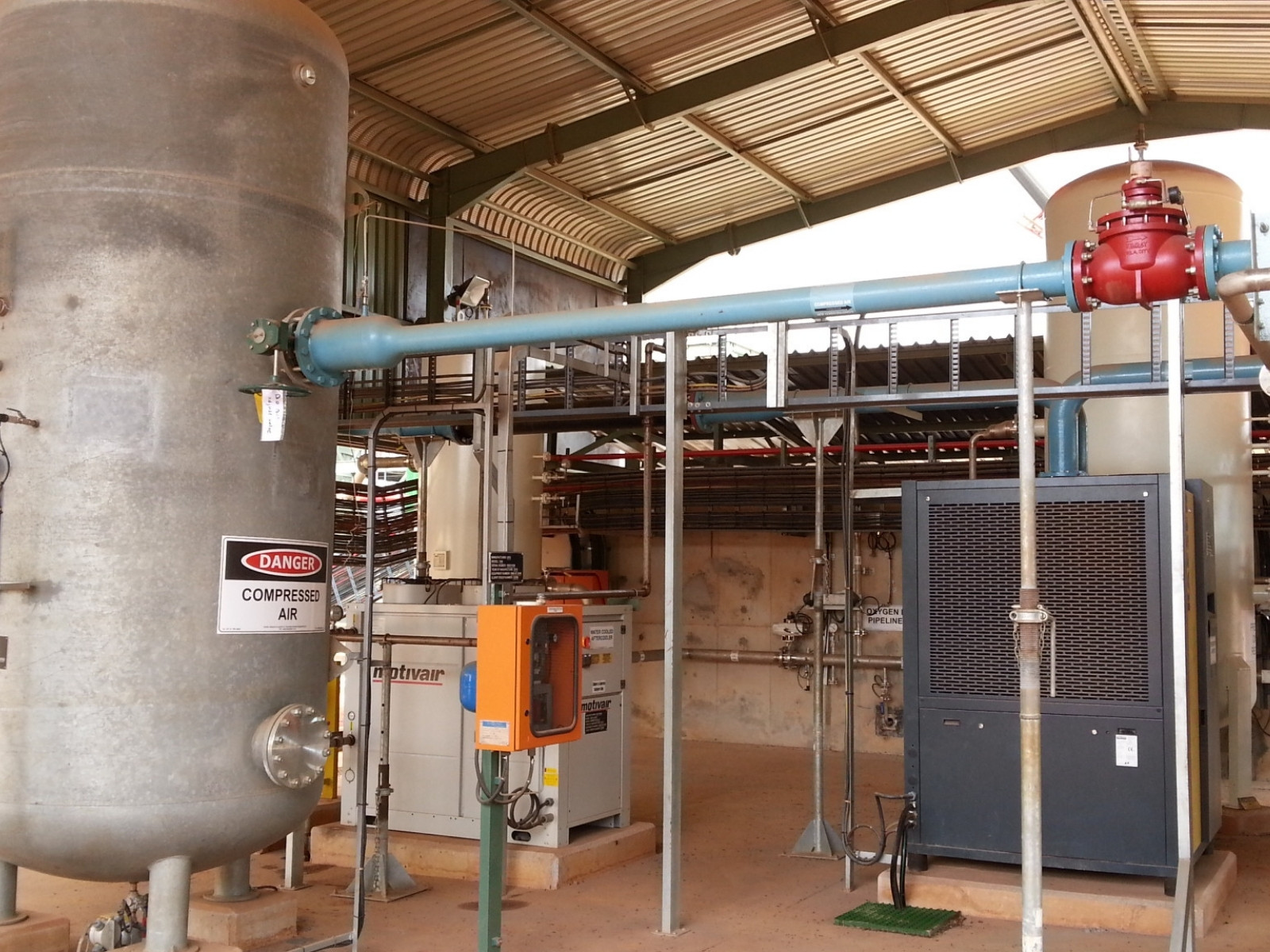
· Oxygen-clean components and assemblies
· Segregation of incompatible materials and processes
Safety is embedded at design stage — not managed retrospectively.
These design principles are governed through Foxolution’s Engineering & Compliance framework, which defines how standards, risk control, and quality systems are applied across all oxygen projects.
Oxygen Supply & Generation Strategies
There is no single “best” oxygen supply technology.
Foxolution supports multiple oxygen supply strategies, selected based on duty profile, scale, infrastructure, and risk context.
PSA (Foxolution-Engineered)
On-site oxygen generation using adsorption technology, optimised for decentralised and resilient supply where self-sufficiency is critical.
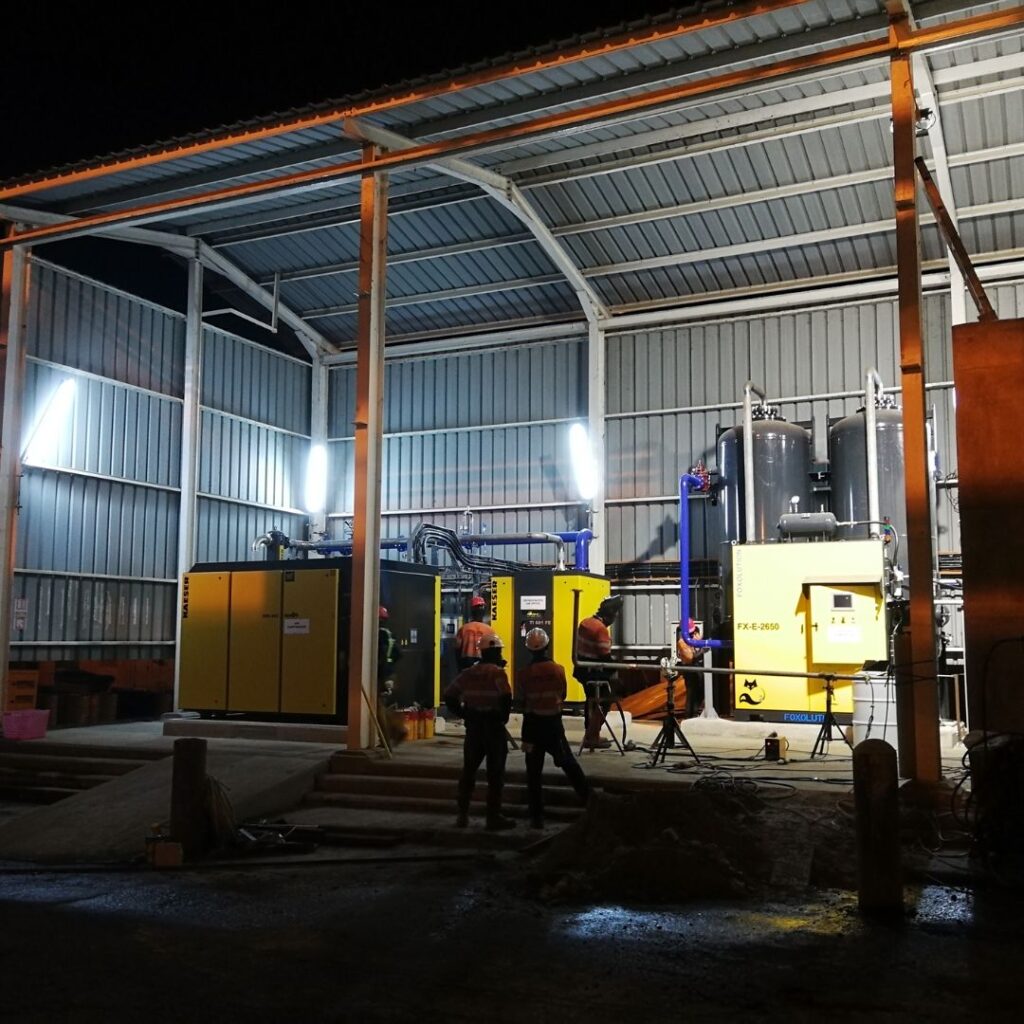
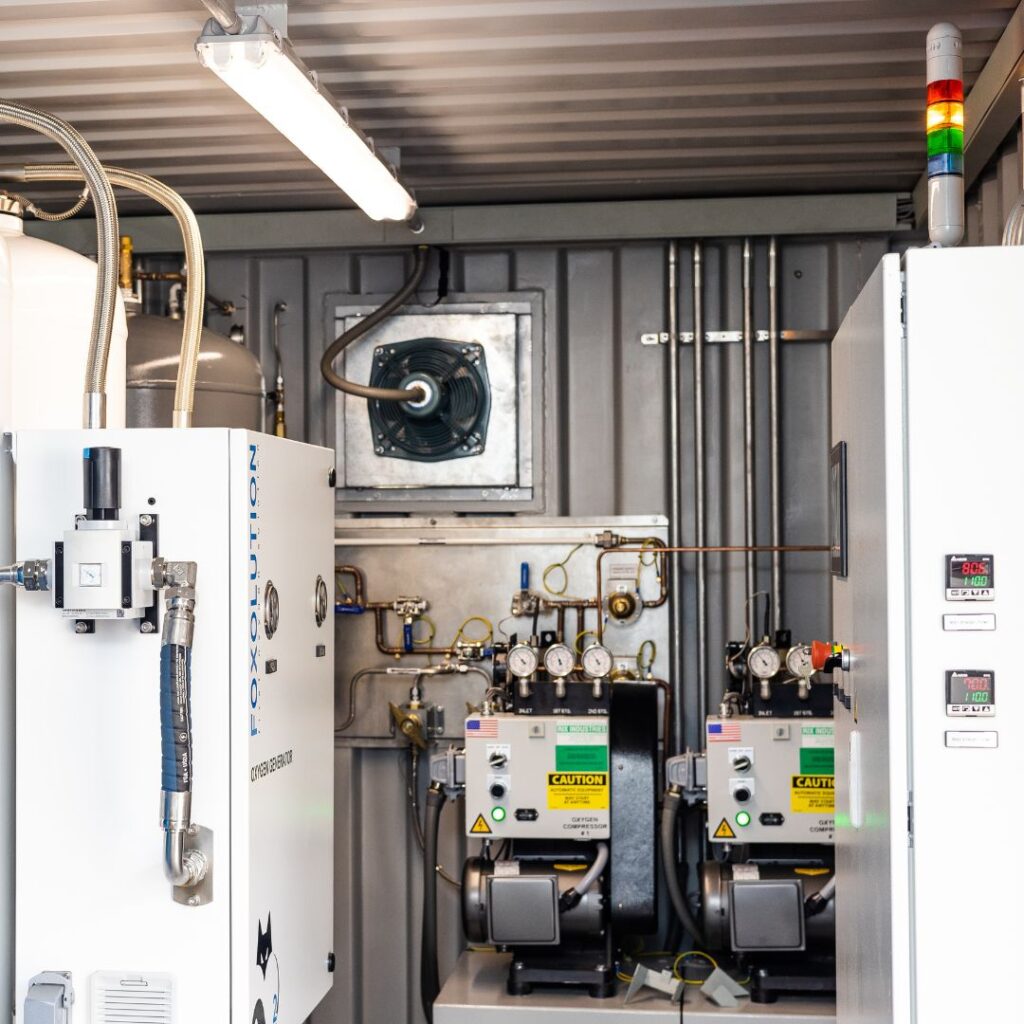
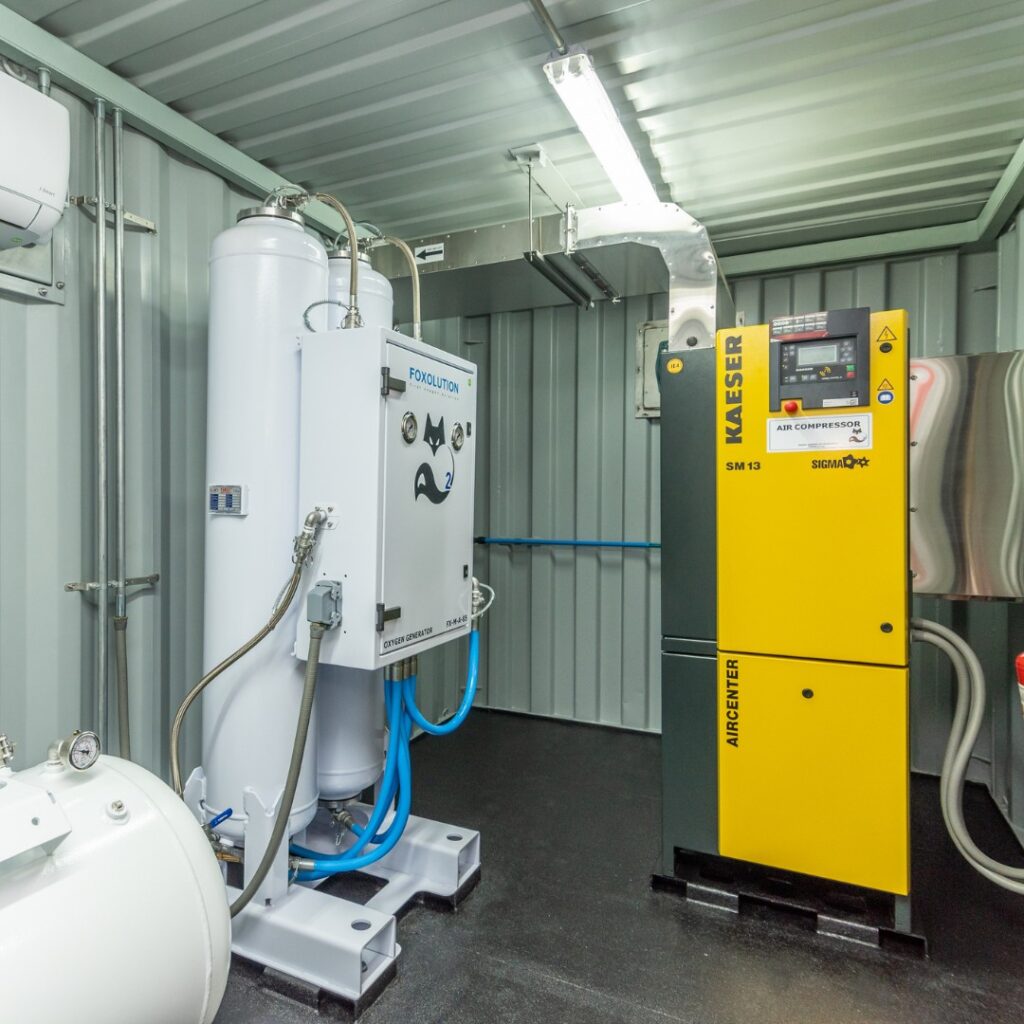
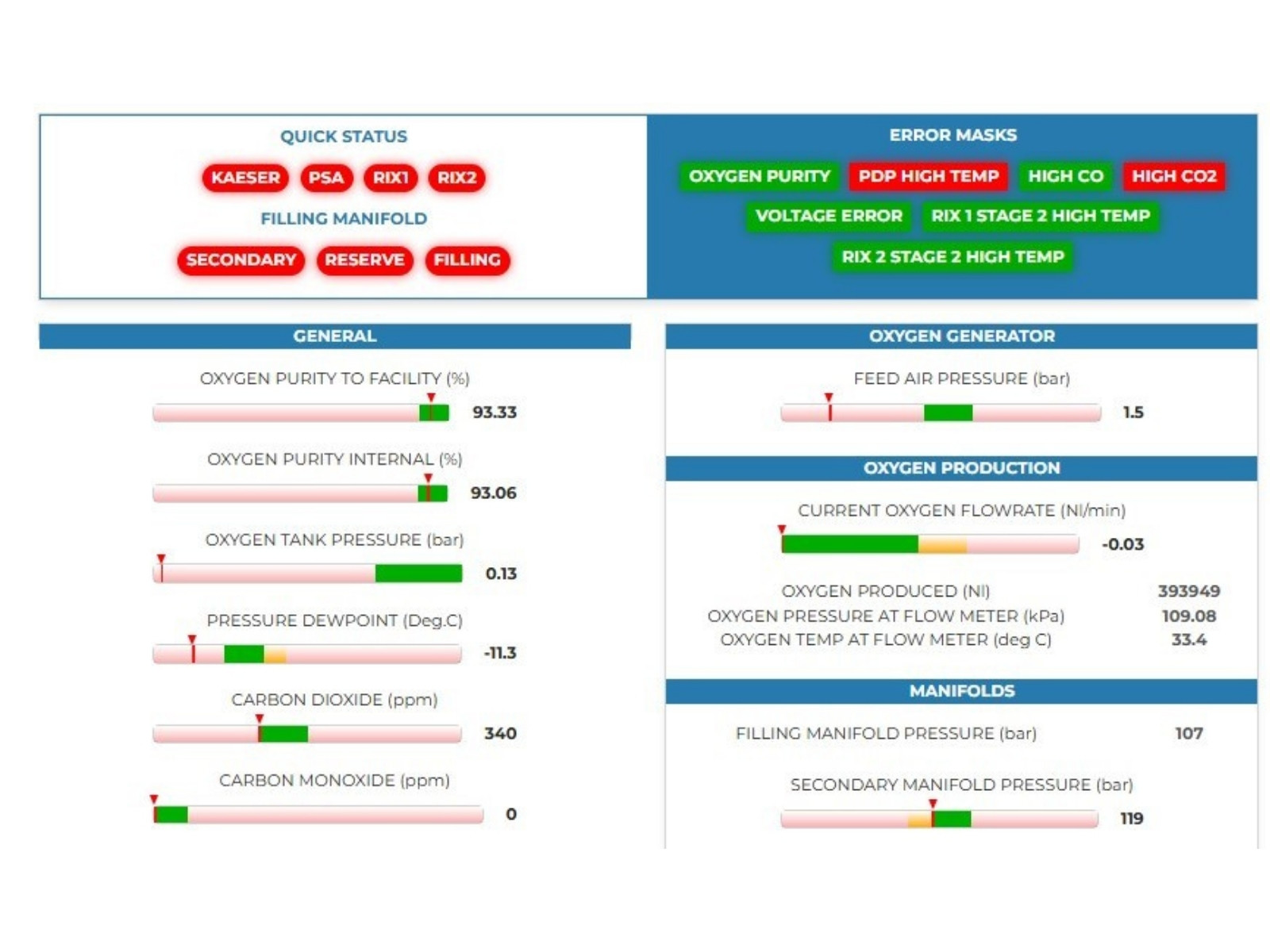
PSA systems applied by Foxolution are not treated as catalogue equipment or generic packaged units. They are engineered as controlled production assets, with architecture, control philosophy, and operating envelopes defined against real duty cycles and variable demand behaviour.
Standard PSA Application
Standard PSA configurations are applied where operating conditions fall within stable duty envelopes and where proportional system architecture adequately meets safety, compliance, and lifecycle requirements.
In these contexts, disciplined engineering, installation, and lifecycle governance are more critical than platform modification.
Where standard market PSA configurations are insufficient to meet defined duty, control, or lifecycle requirements, Foxolution develops and applies engineered PSA technology platforms.
These platforms exist to support governed oxygen infrastructure — not to introduce product differentiation for its own sake.
Limitations of Standard PSA Platforms
Commercial PSA units are often optimised for nominal flow under stable conditions. In real-world environments, this can introduce constraints, including:
· Reduced efficiency and control under partial load
· Instability during rapid demand changes
· Limited turndown capability without purity degradation
· Maintenance complexity when operated continuously or in harsh environments
These are not failures of PSA technology — they are consequences of applying standardised platforms outside their optimal envelope.
Foxolution Engineering Response
PSA technology platforms are developed by re-engineering core system behaviours around defined operating realities rather than nominal ratings.
Engineering focus areas include:
· Adaptive flow and load management architecture
· Defined operating envelopes across sustained and variable demand
· Control logic aligned to real duty cycles
· Maintainability under live operating conditions
The objective is not maximum output. It is predictable, governed performance over the system lifecycle.
Application Discipline
PSA technology platforms are applied selectively.
They are deployed only where operating conditions, duty profile, and lifecycle risk justify their use. They are not applied universally and are deliberately avoided where simpler architectures adequately meet safety, compliance, and operational requirements.
This discipline preserves system integrity and long-term accountability.
Validation & Deployment Philosophy
PSA technology platforms are validated through:
· Application-specific engineering definition
· Controlled commissioning and verification
· Monitored operation under defined duty conditions
· Ongoing refinement through operational feedback
Performance is verified in context — not inferred from standalone testing or brochure claims.
Access & Integration
PSA technology platforms are not offered as standalone products.
They are applied exclusively as part of engineered oxygen system solutions following structured technical engagement and application assessment.
This ensures alignment between technology selection, system integration, compliance requirements, and operational responsibility.